


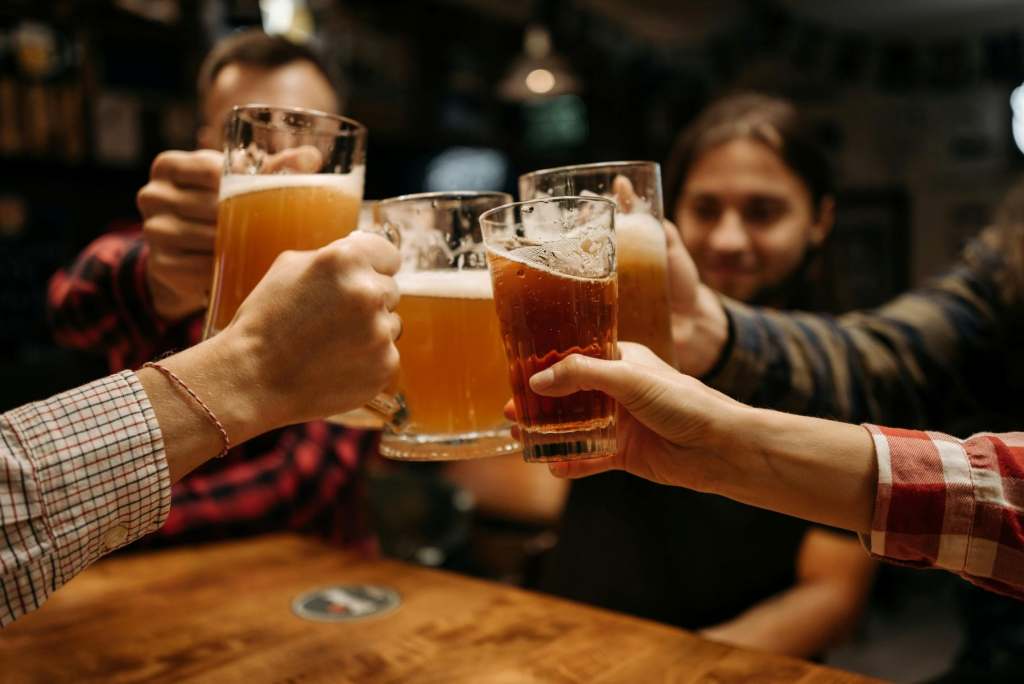
By mid-afternoon, most festivals have developed their own routine. People move between stages, stop at food trucks, wander through vendor rows and disappear into whatever shaded corner is still available. At smaller city events, the route might also include a gallery, a record shop or a bar pulled into the programme for the weekend. Drinks become part of the day in the same casual way as food, and what people order usually changes with the weather, the music and how long they plan to stay.
A cold cider or pale ale is easy during a loud afternoon set, while rosé makes more sense when the crowd thins out around an art courtyard or an acoustic stage. Regional producers are especially interesting at events built around local culture because they give visitors another way to try something from the area. The wine selection at this store includes both Cypriot and international styles, making it easy to compare fresh whites, rosé, sparkling wines and reds for different festival foods and times of day. That gives enough range for festival food from grilled seafood and salads to pizza, barbecue and cheese.
Start with the event rather than the bottle
A neighborhood block party has very different drinking conditions from a vineyard concert or an indoor arts weekend. Street events usually mean plastic cups, queues and plenty of walking, so lighter drinks and smaller pours are easier to deal with. Gallery events are slower, and there may actually be time to taste something without carrying it through a packed crowd. Large outdoor festivals sit somewhere in between.
BottleRock Napa Valley shows how music, local wineries, restaurants, craft beer and food can share the same site without one pushing out the others. Respect My Region has covered the festival from that broader angle, paying attention to what is happening away from the stage as well as the artists performing. Smaller festivals can follow the same logic without needing Napa-sized budgets.
Afternoon drinks need to survive the heat
A sunny festival afternoon is usually the wrong place for something heavy. Dry white wine, rosé, cider and lighter beer are much easier when people are outside for hours. Xynisteri, Sauvignon Blanc and similar fresh whites fit grilled fish, salads and lighter food trucks, while rosé is easy with pizza, cheese, chicken and Mediterranean food.
Temperature matters more than complicated pairing theory here. White wine that has spent an hour warming beside a stage loses much of what made it refreshing. Festival bars need enough ice and cold storage, while private outdoor events need coolers rather than bottles left in direct sun. Smaller pours also stay cold longer.
Different parts of the festival call for different drinks
The music changes throughout the day, and the food usually changes with it. Someone eating a salad at two in the afternoon may be ordering barbecue six hours later. One drink style can cover part of that range, but not necessarily the whole event.
| Festival moment | Drink to try | Food nearby |
| Early acoustic set | Dry white wine | Salads, grilled fish, sandwiches |
| Art market or gallery courtyard | Rosé | Cheese, olives, charcuterie |
| Mid-afternoon food truck stop | Craft lager or cider | Tacos, fried chicken, burgers |
| Sunset indie set | Chilled Pinot Noir | Pizza, mushrooms, roast chicken |
| Evening main stage | Fuller red wine | Barbecue, grilled meat, aged cheese |
| Late DJ set | Sparkling wine or spritz | Fried snacks, small plates, fruit |
Real festival conditions still come first. Some venues ban glass completely, others have limited refrigeration, and many bars only have a short list. Choosing from what is cold and available usually makes more sense than hunting for one exact bottle.
Food trucks do most of the pairing work for you
Festival food often gives the quickest clue. Fried chicken is comfortable with lager, cider or sparkling wine, grilled fish with lemon points towards dry white wine, and barbecue gives red wine or darker beer more room. Spicy tacos are easier with something cold and bright than with a strong, tannic red.
Pizza is even easier. Tomato, cheese and charred crust can handle light reds, rosé, beer or sparkling wine depending on the toppings. Mushroom pizza suits Pinot Noir especially well, while cured meat can take a slightly fuller red. Nobody needs to discuss the bottle for ten minutes while the slice gets cold.
Local producers belong near local artists
A festival that books regional bands, illustrators and food vendors can do the same with drinks. Local breweries already appear regularly at music events, while cider makers and wineries are sometimes treated as if they belong only at food festivals. A few regional options behind the bar are enough to give visitors something they may not see at every other event.
Cyprus has an obvious advantage here because local wine production offers both familiar international varieties and grapes visitors may never have tried before. Xynisteri is easy beside seafood, grilled halloumi and vegetable dishes, while local rosé can cover much of an afternoon menu. Reds make more sense later when grilled meat starts appearing.
Art festivals run at a different speed
Visual art events usually involve more walking and fewer moments when thousands of people are facing the same stage. Visitors drift between galleries, installations and outdoor spaces, often staying longer when something catches their attention. Wine, cider or local beer fits easily into a courtyard or gallery setting where people are already moving at a slower pace.
There is also room for simple collaboration between artists and producers. Labels designed by local illustrators, printed reusable cups and limited festival packaging connect both sides without turning into expensive merchandise. A good design people actually want to keep is enough.
A little planning keeps the day comfortable
Alcohol is only one part of a festival day, and several hours outside can become tiring quickly. Heat, walking, queues and loud crowds all add up before the evening headliner. Food and water need to stay in the plan as well.
A few things are worth checking before the first set:
- find the water stations early
- eat before drinking and have another proper meal later
- choose lower alcohol drinks during the hottest hours
- use festival cups or cans when glass is restricted
- keep white, rosé and sparkling wine properly chilled
- alternate alcoholic drinks with water
- try at least one regional producer
- leave enough time to get back to the stage before the artist starts
Most of that sounds obvious until somebody realises they have had two beers, half a portion of fries and almost no water since noon.
Evening food gives red wine more room
Once the sun drops and grilled food takes over, red wine becomes easier to place. Pinot Noir can be served slightly cool with chicken, mushrooms and pizza, while Cabernet Sauvignon or another fuller red can sit beside beef and barbecue. Serving temperature still matters, so unopened bottles should stay out of direct heat.
Switching drinks later in the day is perfectly normal. After an afternoon of lager or cider, a glass of red with dinner can be a welcome change, especially when there are still several hours of music ahead.
The neighborhood should still be visible
Some city festivals could be moved hundreds of kilometres away and barely change. The same food chains arrive, the same drinks sit behind the bars and local businesses disappear behind temporary fencing. Events such as Capitol Hill Block Party have an advantage because the surrounding neighborhood is already part of what people come to experience. Venues, restaurants, shops and street culture stay visible throughout the weekend.
Respect My Region tends to give that local layer plenty of space in its coverage rather than treating the lineup as the entire story. Regional drinks fit that approach easily. Someone may arrive for a band and leave remembering a winery, brewery, mural or food stall they had never heard of before.