The richest holidays connect a place’s living culture with the natural systems that have shaped it, often touching on heritage conservation tourism. Ancient irrigation works, local food traditions, forest reserves and seasonal animal movements all tell parts of the same story. When you allow time for both heritage and wildlife, a trip gains context as well as variety.
This kind of travel also suits a slower pace. Instead of rushing between landmarks, you can spend a morning at a historic site, pause for lunch in a family-run café and explore a wetland or national park later in the day. The result feels more grounded, with experiences that remain distinct in your memory.
The Synergy of Nature and Heritage
Culture rarely develops in isolation from the environment. Rivers determine where settlements grow, monsoon patterns influence farming and local materials shape everything from homes to ceremonial buildings. Seeing those connections turns a collection of attractions into a coherent account of a place.
Sri Lanka offers a clear example. The island’s ancient cities contain reservoirs and water channels built to sustain communities through changing seasons. Elsewhere, tea estates reflect the climate and elevation of the central highlands, while coastal communities have traditions connected to the sea. The country’s UNESCO World Heritage properties include ancient urban sites, sacred places and natural areas, giving visitors several ways to explore this relationship.
Timing matters too. An early visit to a historic complex may reveal birds feeding around old pools before the heat builds. A guided village walk can explain how residents use native plants for cooking or craftwork. Even a local market provides environmental clues through its seasonal fruit, vegetables and spices.
Look for guides who discuss ecology and social history together. Their explanations can show how forests supplied building materials, why towns appeared in particular locations and how traditional land management still affects wildlife habitats today.
Where to Find Both in One Trip
Sri Lanka is especially well suited to travellers who want culture and nature without spending days moving between regions. The Cultural Triangle brings together Anuradhapura, Polonnaruwa, Sigiriya and Dambulla, while nearby parks and forest areas support elephants, deer, primates and abundant birdlife. In the central highlands, temples and tea-growing communities sit within reach of cloud forests and walking routes.
Travellers who prefer an organised itinerary can consider Sri Lanka small group tours, which combine cultural exploration with outdoor experiences and leave the practical coordination to a specialist. This format may suit solo visitors, couples and families who value shared experiences or local guidance.
Other countries offer similarly strong combinations. Costa Rica pairs national parks with Indigenous heritage, coffee culture and historic towns. In Japan, temple routes cross wooded mountains and rural villages, while South Africa’s Cape region combines biodiversity with architecture, food and complex social history.
Distances can be deceptive on maps, so check realistic driving times before booking. A route covering two or three regions in ten days often produces a better experience than an ambitious circuit with daily transfers. Staying for two nights in each base gives you room for an early wildlife outing, a cultural visit and an unplanned meal or walk nearby.
Designing Your Dual-Focus Adventure
Start with two or three experiences that matter most to you, then build a route around them. You might choose an ancient city, a guided nature outing and several days in the hills. This keeps the itinerary focused while allowing smaller stops to emerge along the way.
Check seasonal conditions before settling on dates. Rainfall can vary sharply within one country and animal activity often changes with water levels, temperature and food availability. The Sri Lanka tourism information service is a useful starting point for regional climate information, though local operators can offer more current advice about access and travel times.
Plan demanding activities for cooler hours. Historic ruins with little shade are easier to explore soon after opening, while many wildlife outings work best around dawn or late afternoon. Museums, workshops and long lunches fit naturally into the warmer middle of the day.
Your schedule should also include unscripted time. A free afternoon can become a cooking lesson, a short walk with a resident guide or a chance to revisit a place without a timetable. For a 12-day trip, consider three main bases with three or four nights in each. That rhythm cuts down on packing and creates more opportunities to notice everyday life beyond the headline attractions.
Ethical Encounters with Wildlife
Responsible wildlife tourism begins with distance. Animals should be free to feed, rest and move without being surrounded or pressured into changing direction. A reliable guide will keep noise low, follow local access rules and avoid promising close encounters.
Before booking, ask how many people share each vehicle or walk, what training guides receive and how the operator responds when an animal approaches. Avoid activities involving forced contact, performances or handling. Feeding wild animals can alter their behaviour and diet, so reputable experiences won’t use food to draw them closer.
The principles of responsible wildlife watching apply across destinations. Keep voices quiet, switch off unnecessary sounds and follow instructions about photography. Flash can disturb some species, particularly after dark. If several vehicles gather in one place, a good guide may leave and search for a calmer sighting elsewhere.
Your choices at the accommodation also count. Ask whether the property reduces single-use plastic, treats wastewater and employs local staff. Lodges that support habitat restoration or community conservation should be able to explain the project clearly, including where guest contributions go.
No sighting is guaranteed. Accepting that uncertainty protects wildlife and often makes an unplanned encounter feel far more meaningful.
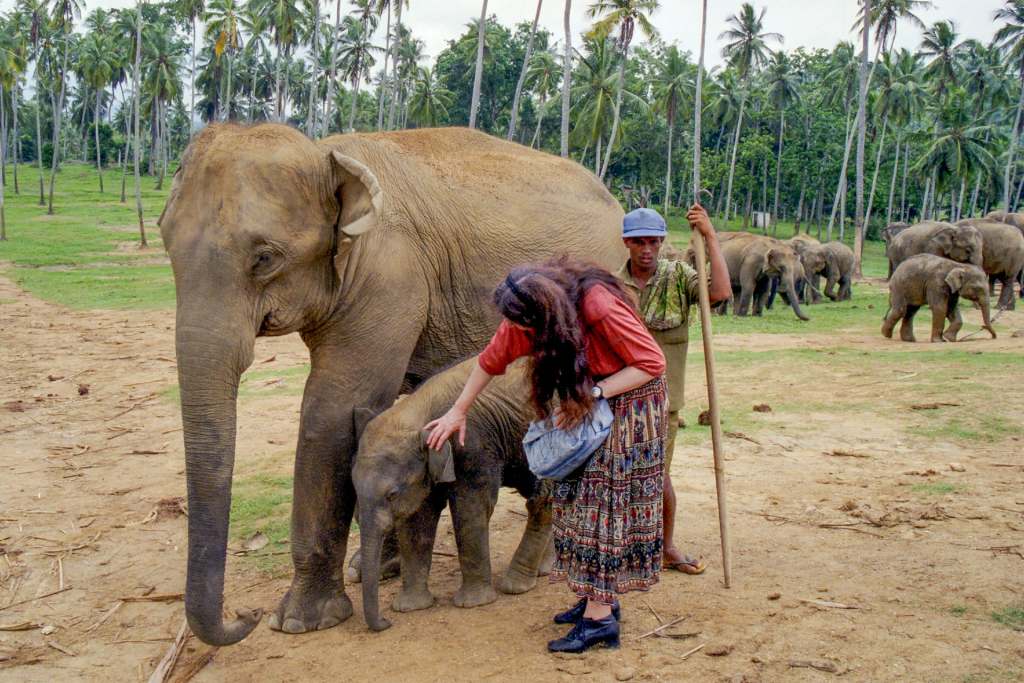
Image Credit: Unsplash
Beyond the Usual Tourist Trails
Less-visited places can provide a closer look at daily culture while easing pressure on famous sites. This doesn’t require travelling to isolated areas. It may simply mean staying in a smaller town outside a major attraction, visiting a community enterprise or choosing a secondary reserve with appropriate visitor facilities.
Ask local guides where tourism supports existing livelihoods. A weaving workshop, food producer or guided wetland walk can create direct income without turning private life into a spectacle. Always seek permission before photographing people and accept a refusal without argument.
Long-distance walking routes offer another useful model because they connect scenery, heritage and communities at human pace. The discussion of the Camino de Santiago beyond the trail shows how food, architecture and community encounters can become as memorable as the route itself. Similar thinking works for shorter walks through tea country, rice-growing areas or historic villages.
Research also helps you recognise community-led tourism. The UN Tourism guidance on rural development explains how visitor spending can support local economies and preserve cultural heritage. Look for experiences run with residents, use locally owned accommodation where practical and buy crafts directly from their makers. These small decisions help keep more of the value within the destination.
Making Memories That Last
Memorable travel depends on attention more than constant activity. A packed itinerary can blur together, while a few well-spaced experiences gain definition. The call of an unfamiliar bird at sunrise, the engineering of an ancient reservoir or a conversation over tea may stay with you longer than a hurried checklist of landmarks.
Keep a brief daily record while details remain fresh. Write down the name of a guide, a dish you enjoyed, the sound of a forest or one fact that changed your understanding of the place. Five minutes each evening is enough. You can also mark locations on an offline map, which makes photographs easier to organise after returning home.
Use the camera selectively. Take a few images, then put it away and watch what happens around you. For wildlife, avoid pursuing the perfect close-up. A wider photograph showing an animal within its habitat often tells a stronger story and reflects the encounter more honestly.
Bring the experience home in a practical form. Cook a regional recipe, identify the species in your photographs or read more about a historic site that caught your attention. If a guide, conservation group or community project made a particular impression, follow its work and share accurate details with future visitors.
Years later, the clearest memory may be a quiet moment between scheduled stops: temple bells carrying across the trees, fresh tracks beside a path or the first evening meal in a town you nearly passed by.
