


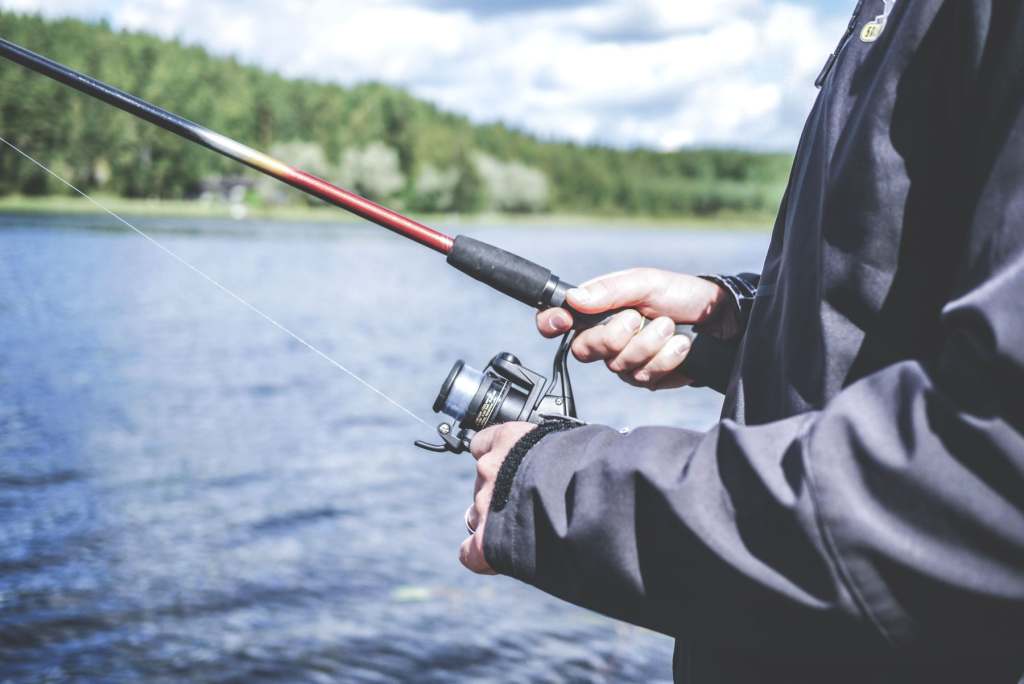
A fishing holiday has a wonderfully unhurried rhythm to it. You wake with the light, put the kettle on, check the weather and head towards the water without needing a packed itinerary. Whether you’re casting a line yourself or simply enjoy being near rivers, lakes and working harbours, it’s an easy way to build a break around proper scenery and local character.
It also suits travellers who like their days to have a gentle purpose. A morning on a quiet bank can be followed by a long lunch at a village pub, a walk along the shore or a visit to a nearby market. There’s no need to race from sight to sight. The water tends to set the pace.
Choose Your Water, Then Let the Place Do the Rest
Different waters create very different holidays, so it’s worth deciding what sort of atmosphere you’re after before booking.
Rivers for peaceful mornings and pub-stop afternoons
A river break is ideal if you enjoy small towns, country lanes and a little solitude. The Wye Valley, the Yorkshire Dales and the River Test in Hampshire all offer that classic British combination of beautiful banks, historic villages and cosy places to eat.
Rivers are also brilliant for mixing fishing with walking. You might spend a few hours by the water, then follow a footpath into town for lunch. I find river destinations especially appealing in spring or early autumn, when the landscape feels alive but the busiest summer period has eased.
If you’re travelling abroad, consider the Dordogne in France, the Irish countryside around Lough Derg or northern Spain’s Asturias region. These trips can offer riverside stays alongside local food, wine and handsome old towns.
Lakes for wide views and slower days
Lakes suit travellers who want space around them. The Lake District is the obvious UK choice, but it earns its reputation. You can stay near Windermere, Coniston Water or Ullswater and balance time outdoors with galleries, heritage railways and some excellent independent cafés.
For a quieter feel, look at Loch Lomond and the Trossachs, Kielder Water in Northumberland or Llyn Tegid, better known as Bala Lake, in Wales. Each gives you that calming, open-water feeling without needing a complicated plan.
Across Europe, the Italian Lakes, Slovenia’s Lake Bohinj and Sweden’s lake districts are worth considering. They tend to work well for couples or groups where not everyone wants to fish every day.
Coastal towns with character
A coastal fishing break is less about sitting in silence and more about the life of the harbour. You’ll hear gulls, see boats coming and going, and usually have a choice of seafood restaurants within walking distance.
Cornwall, Northumberland, Pembrokeshire and the North Yorkshire coast are all strong options. Try Mevagissey, Seahouses, Tenby or Whitby if you like a proper town base alongside access to sea fishing trips.
Abroad, Portugal’s Algarve, Brittany and the western coast of Ireland offer similar appeal. Just remember that sea conditions matter, so leave room in your plans for a day when boats can’t head out.
When to Go Without Getting Caught in the Crowds
Timing changes everything. Summer brings longer days and more activity, but popular waterside locations can become busy, particularly during school holiday periods. If you prefer a quieter break, late April to June and September to early October are often the sweet spots.
A few things are worth checking before you commit:
- Species and local seasons: Rules and availability vary widely between waters.
- Close seasons: Freshwater fishing restrictions can apply, depending on the species and location.
- Weather patterns: Coastal winds, heavy rain and sudden temperature changes can all affect plans.
- Town events: Regattas, food festivals and local fairs can be a bonus, though they may also mean fuller accommodation.
For England and Wales, the official GOV.UK fishing licence guidance is a sensible starting point. Local fisheries, river authorities and guides will have the most relevant information for the exact water you’re visiting.
Stay Somewhere That Makes the Water Easy to Reach
The right base can make a fishing trip feel relaxed rather than overly organised. You don’t necessarily need to sleep beside the water, though it’s lovely when you can.
Waterside inns and small hotels
An inn near a river or harbour is a solid choice if you want someone else to handle breakfast and supper. Look for places with early breakfast options, drying space for wet outer layers and secure storage for equipment.
A harbour hotel can be especially handy for boat trips. You can wander down to the quay in the morning, then return for a shower before heading out for dinner.
Self-catering cottages
Cottages work well for longer stays, groups and anyone who likes the freedom to cook. A kitchen is useful for preparing simple meals around early starts, while a washing machine is more valuable than it sounds after a muddy day on the bank.
Check access carefully. A picture-perfect cottage can be reached by a steep, narrow track, which may not suit everyone or every vehicle.
Accessible lodges and town bases
For travellers who need step-free access, ground-floor bedrooms or close parking, purpose-built lodges can be a better bet than older rural properties. Ask direct questions before booking rather than relying on a single “accessible” label.
A town base is often underrated too. Staying in a place such as Keswick, Oban or Whitby gives you restaurants, shops and transport links, while fishing spots remain within easy reach.
Plan the Fishing Before You Pack the Car
A little preparation prevents the most common holiday disappointment: arriving at a promising-looking stretch of water only to find that fishing isn’t permitted there.
In many places, you’ll need more than one permission. In England and Wales, for example, an Environment Agency rod licence may be required, while the fishery, river owner or club may also require a separate day ticket or permit. Scotland has different arrangements, and access rights do not automatically mean you can fish wherever you like.
A guide can be worth it, especially on a short break
If you’re new to fishing, returning after years away or visiting unfamiliar water, a reputable guide can be a very good use of one morning. They’ll know local conditions, rules, safe access points and what equipment is suitable.
The Angling Trust’s Get Fishing map is a helpful resource for finding coaching and places to fish in the UK. For coastal trips, ask charter operators about group size, safety arrangements, weather cancellation policies and whether equipment is included.
Before booking, clarify:
- Whether permits are included or need arranging separately.
- What tackle, bait and protective clothing are provided.
- Whether beginners are welcome.
- What happens if weather conditions make the session unsuitable.
- Which local rules apply to the water.
Don’t assume rules will be obvious on arrival. Some fisheries use barbless hooks, restrict certain baits, set landing-net requirements or ask anglers to clean and dry equipment to reduce the spread of invasive species.
There’s Plenty to Enjoy Beyond the Catch
The best fishing holidays are rarely only about fishing. A few hours by the water leaves plenty of space for the things that make a destination memorable.
In harbour towns, that might mean an evening walk along the quay, fish landed straight from local boats or a small maritime museum. In river valleys, look for old mills, churches, market towns and short circular walks. Lake destinations are often good for boat rides, galleries and scenic drives when you fancy a change of pace.
Build in a few of these:
- Browse a farmers’ market for regional cheeses, bread and preserves.
- Visit a heritage harbour, lighthouse or riverside museum.
- Book a table at a local restaurant rather than relying solely on the nearest chain.
- Look up seasonal food festivals, folk events or open-studio weekends.
- Take a guided wildlife walk, particularly in estuary and wetland areas.
You don’t need every hour mapped out. Quite the opposite. A fishing-centred escape works best when you leave room to follow a recommendation from a local or stay a little longer somewhere that feels right.
Travel Lightly and Treat the Water With Respect
There’s a quiet responsibility that comes with spending time beside rivers, lakes and the coast. These places are shared by residents, wildlife, walkers, boat users and other anglers.
Pack for changeable conditions: waterproofs, warm layers, sturdy footwear, sun protection, a reusable water bottle and a dry bag for phones or maps. Even a bright forecast can shift quickly, particularly near the coast or on exposed lakes.
For fishing, follow local catch-and-release guidance where it applies. Handle fish with wet hands, keep them in the water where possible, use suitable landing equipment and never leave line, hooks or litter behind. If you’re unsure, ask the fishery or guide rather than guessing.
Low-impact travel is worth considering too. A train to a waterside town, followed by local buses, walking or a taxi, can be less stressful than driving down unfamiliar lanes. If you do drive, combine trips and use established parking areas rather than blocking narrow roads or access points.
Rainy-Day Downtime (18+)
A wet afternoon doesn’t have to derail the trip. Read in the inn, visit a museum, linger over lunch or browse local shops before the weather clears.
For UK adults looking for optional online entertainment after a day by the water, Virgin Games’ Big Bass Bonanza is an 18+ online gambling product with a fishing theme. Gambling should be treated as paid entertainment only, with limits in place, and never as a way to cover travel costs. For support or advice, visit GamCare.
A good fishing holiday leaves you with more than photographs. It gives you quieter mornings, a better feel for a place and, if you’re lucky, a reason to return when the season changes.