


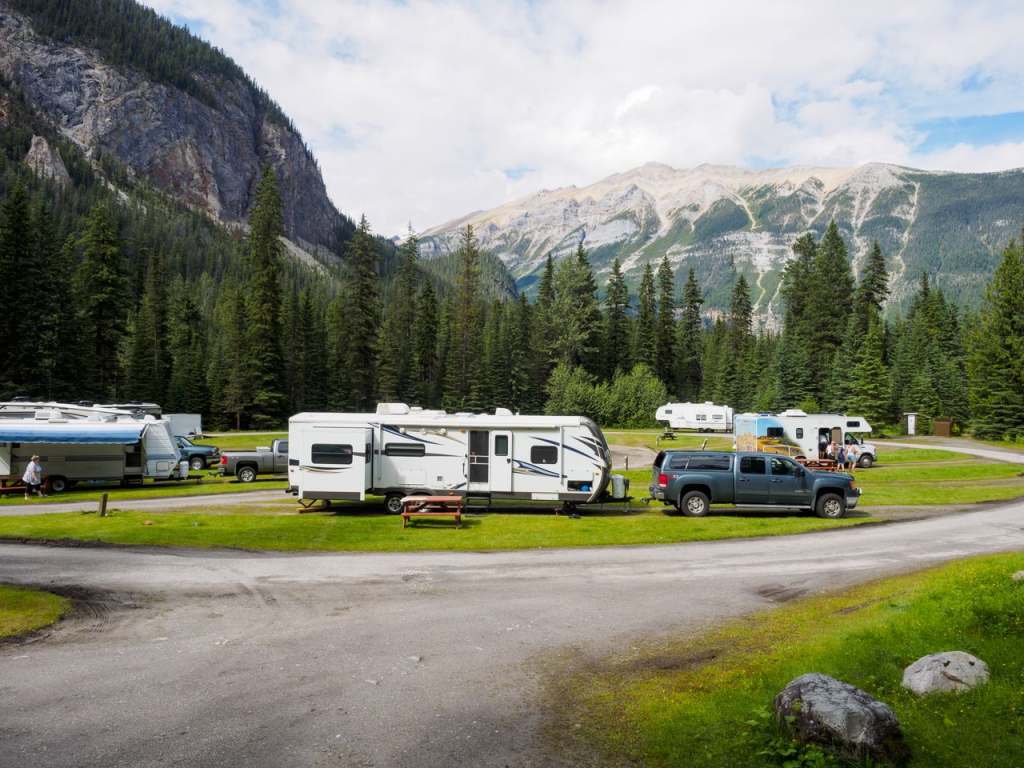
The idea of full-time RV living sounds incredible. You could wake up to new views, follow the seasons and live on your terms. But the logistics can feel overwhelming when you consider choosing the right rig, managing your budget, handling legal residency and finding RV campgrounds that welcome extended stays. This guide breaks down the practical steps you need to make the transition with confidence.
Choosing the Right RV for Your Full-Time Lifestyle
Your choice between a motorhome and a towable trailer shapes your entire experience on the road. Motorhomes offer convenience since you can drive and live in the same vehicle, while towables give you flexibility to unhitch and explore once you’ve set up camp.
Think about your priorities before committing to a purchase. Consider how many people will be living in the rig and how much space you’ll need for daily comfort. Your travel style matters, too, especially if you plan to move frequently or stay in one place for months at a time.
Look for features that support full-time RV living, not weekend trips. Adequate storage keeps your belongings organized without cluttering your living space. A comfortable sleeping area, functional kitchen and bathroom that suits your daily routine make the rig feel like home. Factor in the RV’s size, fuel economy and maintenance needs, especially if you’ll be relocating often.
Budgeting for Full-Time RV Living
Building a realistic monthly budget helps you avoid financial surprises on the road. Start by accounting for campground fees, fuel, groceries, insurance, maintenance, repairs, internet and entertainment costs. Your expenses will vary based on how often you move and whether you choose budget-friendly sites.
Set aside an emergency fund specifically for unexpected breakdowns, medical costs or repairs that can quickly disrupt your plans. RV maintenance and mechanical issues are inevitable, so planning for them keeps a blown tire or failing appliance from derailing your budget.
Compare your projected expenses with your current housing costs to get a clear picture of affordability. Full-time RV living can reduce some expenses like property taxes and utility bills, but it introduces new costs for fuel, campground fees and vehicle maintenance that you’ll need to balance.
Setting Up Your Legal Residency and Mail Service
Even without a permanent address, full-time RVers must establish a permanent home address for legal and tax purposes. Choosing a state of legal domicile affects things like taxes, vehicle registration and insurance rates, so it’s wise to select states with favorable tax policies and straightforward residency rules.
A reputable mail-forwarding service is essential for receiving important documents while traveling between RV campgrounds. These services receive mail on your behalf and forward it to you or scan documents for digital access.
Update important accounts with their banks, insurers and government agencies. Missing important correspondence can create serious complications, so establishing reliable mailing arrangements before hitting the road is key.
Finding Campgrounds That Support Long-Term Stays
Securing a place to stay for weeks or months at a time presents one of the biggest challenges for full-timers. Many standard RV parks cap reservations at short windows, making it difficult to settle in and establish any sense of routine or community.
Look for RV campgrounds that specifically offer extended-stay options, since nightly or short-term sites may not accommodate full-time RV living. When evaluating potential home bases, check campground rules for maximum stays, monthly rates, hookups, Wi-Fi, laundry facilities and other amenities before committing to a longer stay.
KOA offers campgrounds across North America with options designed for extended visits. Many of their Resort and Holiday locations stay open year-round and provide full hookups, including 30/50-amp service, water and sewer connections.
If you’re planning to stay 28 days or longer at a KOA, call the local campground directly to arrange your reservation and discuss special seasonal or extended-stay rates that may be available at most locations.
Availability, rates and length-of-stay policies can vary by location, so it’s worth calling ahead to understand what each campground offers. Finding the right spot gives you a stable base while you explore the surrounding area or simply enjoy a slower pace.
Staying Connected and Powered Up on the Road
Reliable internet access and sufficient power keep daily life functional, whether you’re working remotely or staying connected with family. Choose an internet setup that combines cellular coverage with campground Wi-Fi, giving you backup options when one system fails or you camp in remote areas.
Understanding your RV’s electrical system helps you avoid running out of power at inconvenient times. Shore power at campgrounds provides the most reliable electricity, while solar panels and generators offer independence when camping without hookups. Each option has trade-offs in cost, convenience and capacity.
Monitor your power and water usage regularly to avoid running out of essential resources between campground stops. Knowing your consumption patterns helps you plan how long you can stay at any given location and when you’ll need to move or resupply.
Make the Full-Time RV Lifestyle Your Own
Full-time RV living is achievable when you choose the right rig, build a realistic budget, handle the legal logistics and secure reliable places to stay. The freedom to wake up in new locations and live on your own schedule makes the planning worthwhile. Tackle one step at a time, and you’ll find the transition becomes manageable.