


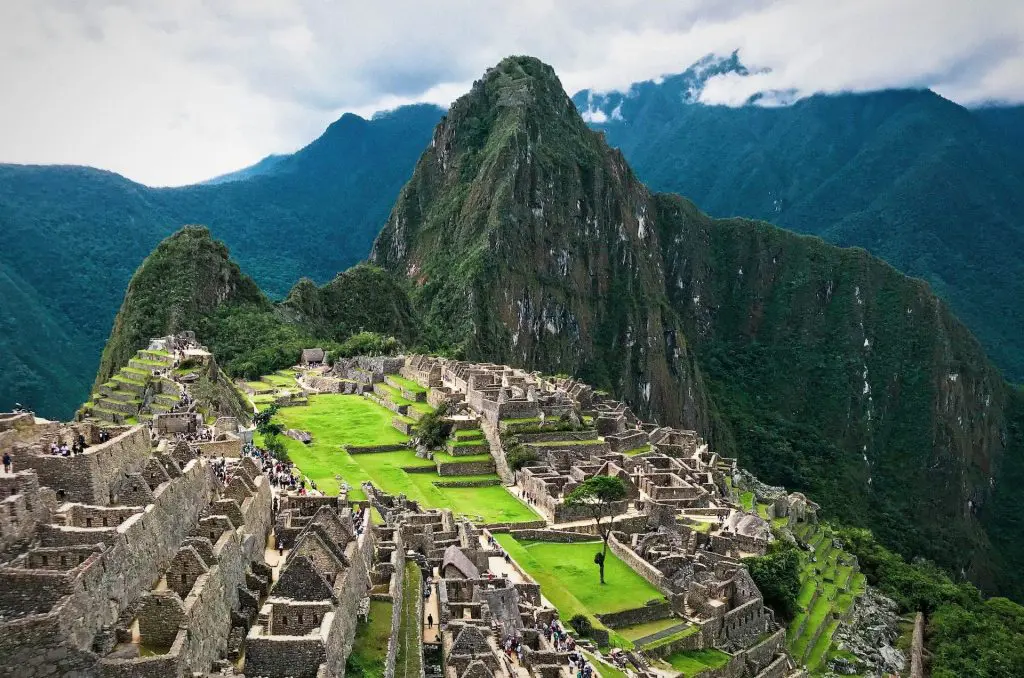
Visiting Machu Picchu does not require a multi-day trek, but reaching the archaeological site and walking around it involve more effort than a typical museum visit. Stone steps, uneven paths and several transport connections all deserve consideration, particularly if you prefer a less demanding travel schedule.
Being over 40 does not automatically make the visit harder. Your mobility, general health and comfort with walking at altitude are more relevant than age alone. Understanding the physical conditions, entrance system and travel arrangements beforehand will help you decide how to organise the journey.
What Walking Around Machu Picchu Actually Involves
Machu Picchu is built across a mountainside, with agricultural terraces, stone staircases and narrow paths connecting different parts of the archaeological complex. Some stairways have no handrails, and the uneven surfaces require attention even from visitors accustomed to regular walking.
Allow up to two and a half hours for a standard visit, with longer permitted durations on certain mountain routes. Peru’s Ministry of Culture operates three main circuits divided into ten routes, with different levels of climbing and access to archaeological areas.
Circuit 1 focuses on panoramic viewpoints, with some routes involving additional climbs. Circuit 2 covers the classic archaeological areas, while Circuit 3 provides access to lower sections of the citadel. Route 3-B is worth examining for visitors who prefer to avoid additional mountain hikes, although it still involves stone steps and uneven ground.
Choosing a less demanding route may mean missing particular viewpoints or structures. The familiar panoramic photograph of Machu Picchu is not available from every circuit, so check what your ticket permits before booking.
Wheelchair access is limited, and much of the site cannot be explored without navigating stairs. Visitors who rely on walking aids should confirm the current rules for their equipment, since restrictions and exceptions may apply.
Toilets are located outside the entrance rather than along the visiting routes. Using the facilities before entering is sensible, especially as re-entry is generally restricted.
Booking Tickets and Arranging Transport
Machu Picchu entrance tickets specify a date, circuit, route and entry time. They are sold through TuBoleto, the official booking platform operated by Peru’s Ministry of Culture.
For travel during the busy June to August period, start checking availability at least two to three months ahead, preferably earlier if your dates are fixed. The government announces ticket releases for each calendar year, so booking availability depends on the published schedule rather than a permanent reservation window.
Once admission is secured, arrange transport around the allocated entrance time. Most visitors travel by train from Ollantaytambo or use a service connecting from Cusco to Aguas Calientes, also known as Machu Picchu Pueblo. A shuttle bus then takes approximately 25 minutes to reach the archaeological site.
Train schedules, bus queues and the journey to the station all need to fit together. Visitors travelling from Cusco on the same morning have less flexibility if a connection is delayed.
For those who prefer having these arrangements coordinated, Machu Travel Peru offers Machu Picchu tours with private itineraries adapted to individual travel dates, accommodation preferences and the time available in the region. This reduces the need to organise each reservation separately, although the same entrance restrictions apply.
When reviewing Machu Picchu packages, confirm whether the price covers train tickets, shuttle buses, entrance admission, accommodation and guiding. Some arrangements include overnight stays, while others involve travelling from Cusco and returning on the same day.
Spending the night in Aguas Calientes before the visit is worth considering if you want to avoid a lengthy journey immediately before entering the archaeological complex.
Altitude and Health Considerations After 40
Machu Picchu stands at approximately 2,430 metres above sea level, while Cusco is considerably higher at around 3,350 metres. Travellers flying directly into Cusco encounter a substantial altitude change before reaching the archaeological site.
Altitude illness can affect people of different ages and fitness levels. Common symptoms include headache, nausea, fatigue and disturbed sleep. Previous experiences at altitude and the speed of ascent are more useful indicators of susceptibility than age alone.
The body needs time to adjust to reduced oxygen availability. The CDC recommends gradual acclimatisation and limiting physical exertion during the first 48 hours at high altitude. This is particularly relevant for travellers who fly directly into Cusco rather than ascending gradually.
For visitors arriving in Cusco, staying initially in the lower Sacred Valley may be preferable to beginning the trip with demanding activities at the city’s elevation. The appropriate schedule depends on the traveller’s route and previous experience at altitude.
Anyone with existing heart or lung conditions should discuss the intended altitude and physical demands with a healthcare professional before departure. Travel insurance should also cover treatment and medical evacuation if necessary.
Medical assistance at Machu Picchu is limited, according to the UK’s Foreign, Commonwealth and Development Office. Carry sufficient regular medication and seek medical attention if altitude-related symptoms worsen rather than continuing strenuous activity.
Practical Ways to Make the Visit More Comfortable
A comfortable visit starts with choosing a circuit that matches your walking ability. Some routes involve repeated climbs, while others concentrate on lower archaeological areas. Check the route description rather than assuming that all standard tickets involve similar physical demands.
An early entrance is not necessarily the most convenient option. Arriving at 6 a.m. requires an early departure from Aguas Calientes, while a later morning slot may allow more time for breakfast and preparation. The return train schedule should influence that decision.
Footwear is another practical consideration. Stone steps can become slippery in wet conditions, so shoes with reliable grip are preferable to smooth-soled footwear. Lightweight layers and a waterproof jacket are useful throughout the year, particularly during the wetter months from November to March.
Keep your day bag small. Machu Picchu prohibits bags larger than 40 x 35 x 20 centimetres, along with items such as umbrellas, tripods and selfie sticks. Larger luggage should be left at your accommodation or in suitable storage before travelling to the entrance.
A guide can provide historical explanations while helping visitors follow the designated circuit. Private guiding allows more opportunity to discuss particular structures, but the guide must still observe the same route and time restrictions.
Weather conditions also deserve a final check before departure. Heavy rainfall has triggered landslides on sections of the Inca Trail near Machu Picchu, so check current route conditions and avoid tightly timed onward travel.
For visitors concerned about the physical demands of Machu Picchu, the entrance circuit deserves as much attention as the journey from Cusco. A route with fewer climbs may be more manageable, although uneven stone surfaces remain part of the visit.
Check the available entrance times before arranging your trains and accommodation, particularly if you need a few days to adjust to the altitude. A less demanding schedule leaves more time for the archaeological site without adding unnecessary travel on the day.