


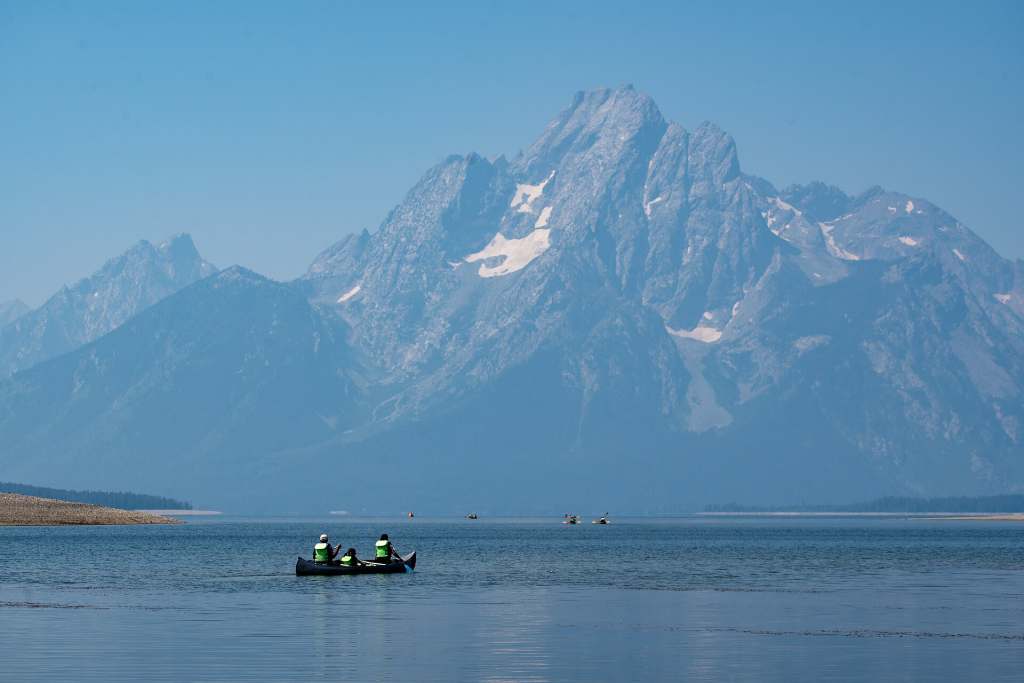
A few hours in a kayak can be the part of a road trip you remember longest, but a paddling stop works best when you plan it like any other stop on the route: pick the right water, sort out the paperwork, and keep a backup plan for the weather. Here is how to fit relaxed kayak breaks into a US camping or RV trip, from launch permits to life jackets, with four stops where it is easy to do.
Choose calm, compact water
After a long day behind the wheel, the best paddle is a short, sheltered one. Small lakes without motorboats, protected lagoons, and slow spring runs let you settle in without worrying about wakes or currents. Look for a launch near the parking lot and a loop you can finish in an hour or two.
Wind is the factor most likely to change your plans. On big water such as Lake Erie, Presque Isle State Park tells boaters that conditions can turn quickly and asks them to heed weather notices. Check the forecast before you unload, and be ready to swap the paddle for a lakeside walk.
Check kayak registration, launch permits, and reservations
Each state, and often each park, sets its own launch rules, so whether a kayak needs to be registered depends on where you paddle. Florida, for example, does not require registration for canoes and kayaks without a motor. In Pennsylvania, by contrast, kayaks, canoes, and paddleboards need either a boat registration or a launch permit to use Fish and Boat Commission, state park, or state forest access points, and the Fish and Boat Commission does not accept launch permits issued by other states. You can buy a Pennsylvania launch permit online before you cross the state line.
National parks add their own layer. In Grand Teton National Park, every watercraft, including kayaks and stand-up paddleboards, needs a park boat permit ($25 for non-motorized craft) and, unless it is exempt, a Wyoming aquatic invasive species decal ($15 for a non-resident’s non-motorized boat).
Even the park gate can need planning. Florida State Parks currently requires day-use reservations at Blue Spring, Wekiwa Springs, Rainbow Springs, and Henderson Beach state parks, bookable up to 60 days ahead; a camping reservation counts as your entry.
Expect kayak inspections in the West
Zebra and quagga mussels and other aquatic invasive species travel between lakes on boats and gear, so some western states check watercraft before launch. Under Wyoming law, any boat arriving from another state needs an inspection, or valid proof of one, before it goes in the water, and Grand Teton stops every boat entering the park for an inspection.
Small inflatables get relief on fees, not on inspections. Wyoming exempts paddleboards and non-motorized inflatables 10 feet (3 meters) or shorter from its decal, but they must still stop at Grand Teton’s inspection stations. Idaho charges $7 for an invasive species sticker on non-motorized boats and exempts only boats that are non-motorized, inflatable, and less than 10 feet (3 meters) long.
Whatever the local rules, make clean, drain, and dry a habit after every paddle. For an inflatable, that means rinsing it, emptying any water, and letting it dry fully before it goes back in its bag.
Rent a kayak on the spot or bring your own?
Renting is the simplest option: two of the stops below, Presque Isle and Blue Spring, have boat rentals in the park, so you can decide on the day and ask staff about conditions before you launch.
Your own boat lets you stop wherever the water looks inviting. A hard-shell kayak has to travel on a roof rack or a trailer; an inflatable or folding kayak packs down small enough for a car trunk or an RV storage bay. Check the packed size and weight against your space, and whether you can lift and inflate it alone at the end of a long drive. A side-by-side guide to the best inflatable kayak models lists weight, packed size, and load capacity, which makes it easier to match a boat to your vehicle and to the water you plan to paddle.
Kayak safety: life jackets and cold water
Under federal rules, every person aboard a recreational boat, a kayak or canoe included, needs a wearable life jacket approved by the US Coast Guard, and children under 13 must wear theirs while underway, although state rules can differ. The Coast Guard also notes that most boating drownings happen in fine weather, and that inflatable life jackets are not right for weak swimmers or non-swimmers.
Some states go further. Pennsylvania requires anyone in a canoe, kayak, or paddleboard to wear a life jacket from November 1 to April 30, noting that cold water shock plays a major role in boating deaths when the water is colder than 70°F (21°C). On a fall or early-spring trip, dress for the water, not the air.
Four of the best places to kayak on a US road trip
Echo Lake, Acadia National Park, Maine
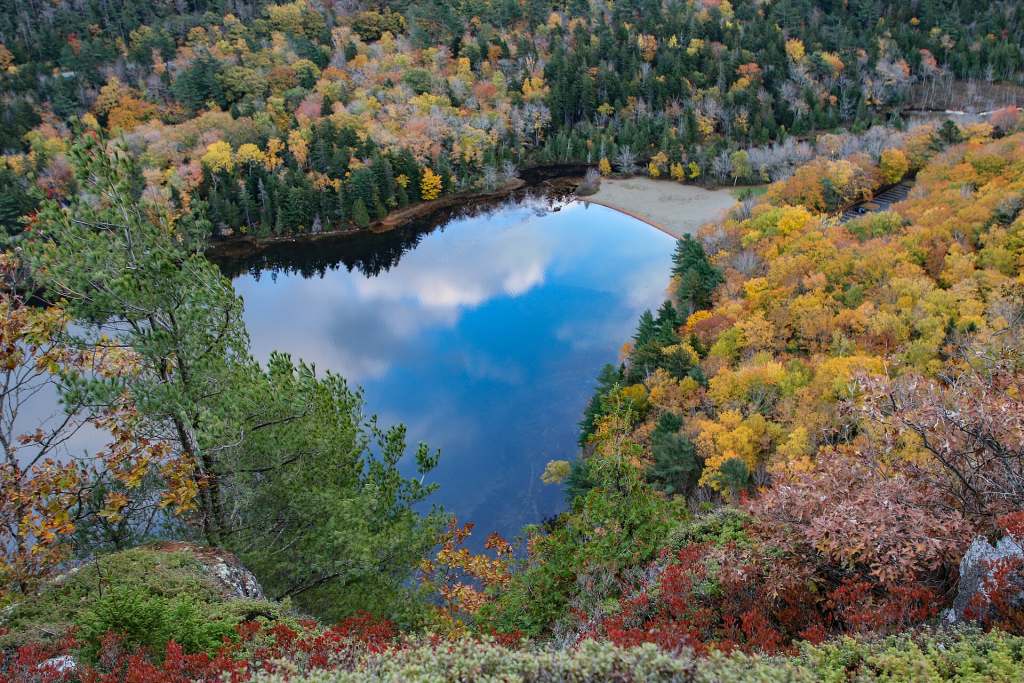
On Maine’s Mount Desert Island, Acadia opens a number of lakes and ponds to boats, each with its own rules. Echo Lake is a straightforward choice, with a launch at Ikes Point and a 10-horsepower limit on motors. Jordan Pond and the two Hadlock ponds are public water supplies: boats are allowed, but swimming, paddleboarding, and pets in the water are not. Canoes and kayaks can be rented in nearby towns. Leave the ocean to guided tours unless you are an experienced sea kayaker; the park warns of tides of up to 12 feet (3.7 meters), fog, and water below 55°F (13°C). Its campgrounds take reservations only on Recreation.gov, and overnight parking is not allowed anywhere in the park.
Presque Isle State Park, Pennsylvania
On the Lake Erie shore at Erie, Presque Isle has a sheltered alternative to open water: the interior lagoons between Misery Bay and Marina Lake, where internal combustion engines are prohibited. The Lagoon Launch suits small to medium craft, and a livery on Graveyard Pond rents canoes and kayaks daily from Memorial Day to Labor Day and on weekends from mid-April to mid-October. Bring a boat registration or a Pennsylvania launch permit.
String Lake, Grand Teton National Park, Wyoming
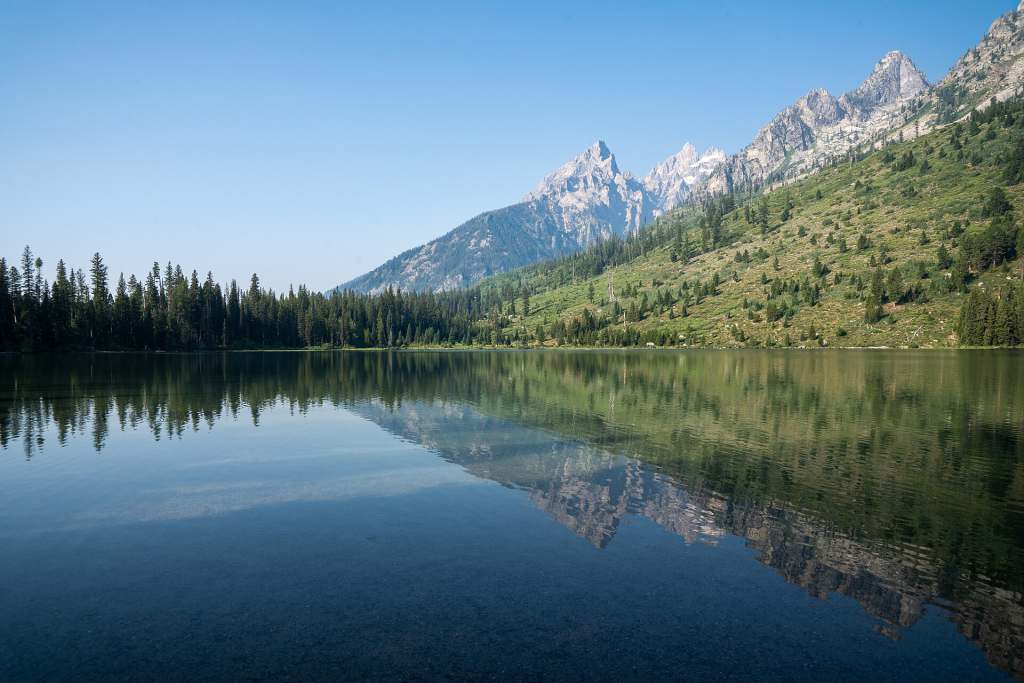
String Lake is a shallow, motor-free lake between Jenny and Leigh lakes, right below the Teton Range. There is no ramp, so you carry your kayak or canoe from the launch parking lot; the park suggests a loop of String Lake, then a portage up to Leigh Lake, which no road reaches. In summer the area is very congested from late morning through the afternoon, so start early, and budget time for the inspection stop. The park boat permit is sold on Recreation.gov and in the park during summer operations. Leave dogs on shore: pets may ride along only in boats on Jackson Lake, and only for day use.
Blue Spring State Park, Florida
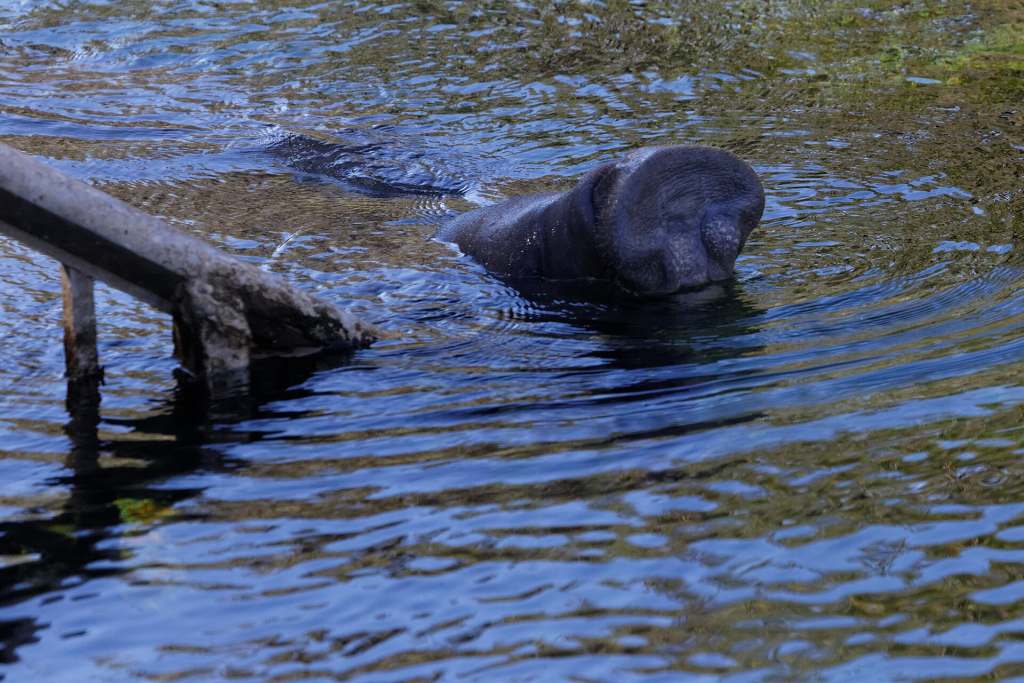
Blue Spring, in Orange City beside the St. Johns River, is fed by a spring that holds a steady 72°F (22°C), which makes it a designated manatee refuge. From about mid-November through March, hundreds of manatees gather in the spring run, and the spring and run are closed to all water activities, paddling included; watch them from the boardwalk instead. From roughly April to mid-November, launch your own canoe or kayak at the rental beach in the lower day-use area or rent one in the park, but keep out of the swimming area between 10 a.m. and 5 p.m. The campground has 51 sites with water and electricity for RVs up to 40 feet (12 meters).
A quick kayak trip planning checklist
- Check the forecast, especially the wind.
- Confirm launch rules, permits, decals, and any park reservation.
- Heading west? Find out where boats must be inspected.
- Pack a properly fitting life jacket for everyone.
- Clean, drain, and dry your boat and gear before driving on.
- Have a plan B on land in case the water doesn’t cooperate.
Planned this way, a paddling stop becomes an unhurried hour on quiet water, a welcome change of pace after the miles on the road. For the driving side of the trip, see our guides to choosing an RV and planning the route and to exploring national parks by RV.