


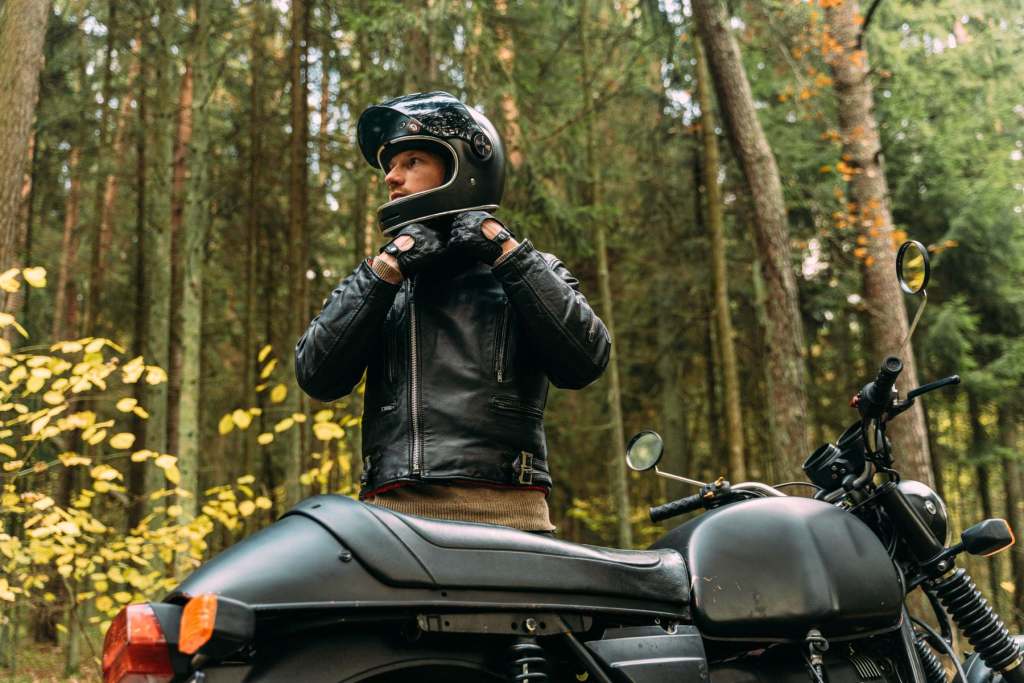
Buying riding equipment is easy enough. Choosing equipment that fits properly, offers suitable protection and holds up to regular use takes more thought. A jacket might look tough without offering adequate abrasion resistance, and a helmet that feels comfortable for five minutes may become painful on a longer ride.
Riders shopping for motorcycle gear in NZ also need to consider changing weather, road conditions and how often they ride. A few checks before committing to a purchase can save money and prevent some disappointing mistakes.
Putting Appearance Ahead of Protective Performance
A good-looking jacket can be tempting, particularly when a familiar brand is offering a discount. Still, appearance tells you very little about how well a garment will protect you during a fall.
Check the materials, seam construction and protective features before deciding. Riding jackets and trousers should provide suitable abrasion resistance, with correctly positioned armour around vulnerable areas such as the shoulders, elbows, hips and knees.
Gloves deserve similar attention. Look for secure wrist closures and protective construction around the palms and knuckles. Proper motorcycle boots should cover and support the ankles rather than leaving them exposed.
Product documentation helps separate genuine protective features from marketing claims. Look for relevant safety ratings and independently assessed performance where available. A higher price may reflect better construction, but it doesn’t guarantee it.
Buying a Helmet Without Checking the Fit
Helmet sizing isn’t as straightforward as buying a shirt in your usual size. Different manufacturers use different internal shapes, so a helmet that fits one rider comfortably may create pressure points for another.
Try several models if possible. A properly fitted helmet should feel snug without causing pain. Fasten the retention strap, then gently move the helmet from side to side and forwards and backwards. Your skin should move with the helmet rather than allowing the shell to slide freely.
Check the visor, ventilation and compatibility with prescription glasses if you wear them. Confirm that the helmet meets an applicable safety standard accepted in New Zealand.
Buying second-hand is risky because previous impacts or internal deterioration may not be visible. If purchasing online, check the retailer’s fitting advice and return conditions before ordering.
Ignoring the Difference Between Riding Conditions
A lightweight summer jacket may work well for short trips in warm weather. Take the same garment on a cold, wet highway ride and its limitations become obvious.
Think about your usual routes and how long you spend on the bike. Highway riding brings sustained wind exposure, while urban commuting involves frequent stops and changes in temperature. Rural trips can introduce rain, colder conditions and fewer convenient places to stop.
Ventilation helps in warm weather. Waterproof construction, removable thermal liners and adjustable cuffs can make riding more comfortable when conditions change.
There’s no need to buy equipment for every possible scenario. A versatile layering system may be more practical than several specialised outfits, provided each item offers suitable protection.
Overlooking Gloves, Boots and Smaller Details
It’s easy to spend most of the budget on a helmet and jacket, then compromise on gloves or footwear to keep costs down.
That approach leaves gaps in protection. Gloves should fit securely, preserve control feel and allow you to operate switches without difficulty. Boots need secure fastenings, suitable abrasion resistance and ankle coverage. Comfort counts, too, since restrictive footwear or bulky gloves can become distracting on longer rides.
Check how the equipment works together before buying. Jacket sleeves should cover the wrists when you reach the handlebars, while trousers should overlap or connect appropriately with your boots. Inspect zips, stitching, adjustment straps and armour positioning. Small construction details can influence how securely the gear stays in place while riding.
Focusing on the Cheapest Purchase Price
Cheap gear isn’t automatically poor quality, just as expensive equipment isn’t necessarily superior. The problem starts when price becomes the main selection criterion.
Compare protective specifications, warranty coverage and product durability. Consider whether replacement armour or spare components are available, particularly if you expect to use the equipment regularly. When money is limited, prioritise properly fitted protective gear across the body rather than buying a premium jacket while leaving other areas inadequately protected.
Online bargains deserve a closer look. Check sizing information, seller reputation and return conditions before ordering. Keep the packaging until you’ve confirmed the fit, and follow the retailer’s requirements when trying items on.
Final Thoughts
The best buying decisions start with protection, fit and the conditions you actually ride in. Appearance and price can help narrow the options, but neither should replace a careful assessment of the product.
Take time to try equipment, check safety documentation and compare practical features. The result should be gear you’ll feel comfortable wearing regularly, with fewer compromises in protection or usability.