A comfortable hotel pool outfit starts with a swimsuit, a cover-up, and sandals that are practical around water. Those three pieces handle swimming and the walk from the room, but lunch or an evening drink may call for a change. Planning for each part of the visit makes getting dressed easier.
Before packing, check the hotel’s pool information and restaurant dress codes. A quiet indoor pool, a family resort, and a rooftop pool with evening events can have different expectations. Ask about anything unclear, including permitted swim attire and whether robes are welcome on the route from the guest rooms.
Dress for the Walk
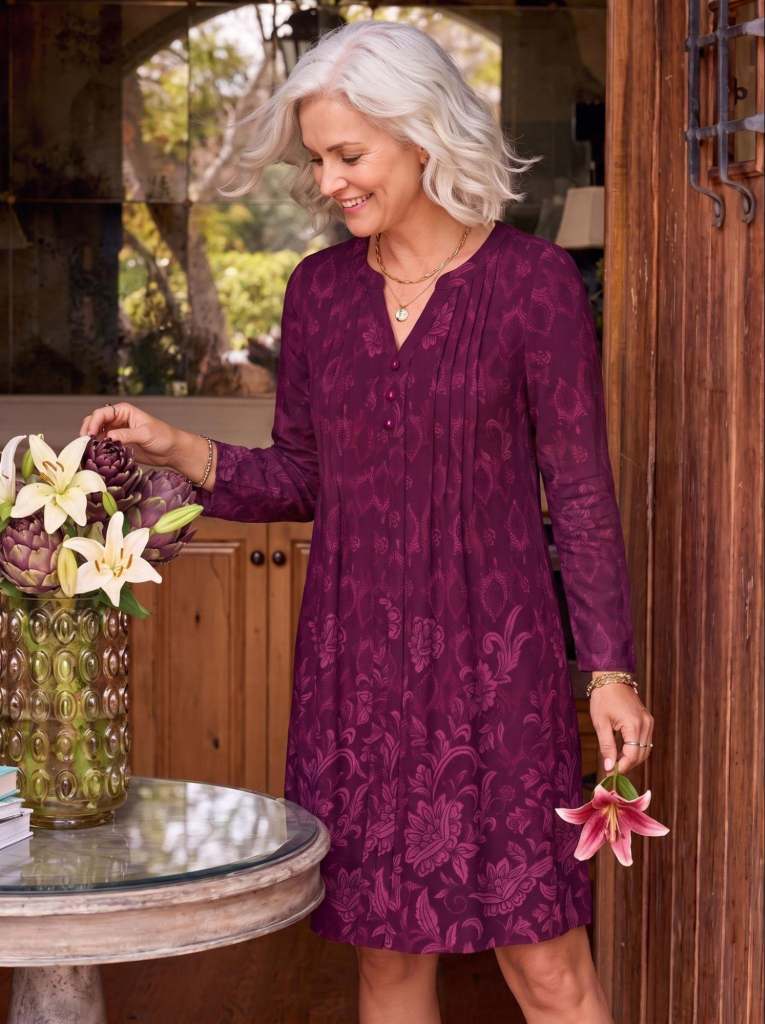
Dusty Purple Tummy Coverage Paisley Print Dress and Cardigan
Think about the spaces between the room and the pool. An elevator ride through the main lobby feels different from a short walk along an outdoor corridor. Choose a cover-up that covers the torso and lower body, and bring footwear rather than making the whole journey barefoot.
A loose dress or a long shirt with shorts gives the outfit a clear shape. Check coverage in daylight before leaving home: open crochet, lace, and thin white fabric can reveal more than expected. A sheer layer may be useful beside the pool while still needing an additional layer for shared indoor spaces.
Try the walking outfit over the swimsuit, then sit down and reach forward. Buttons should stay closed, a wrap should overlap comfortably, and the hem should allow a normal stride. These small checks matter when carrying a bag, pressing elevator buttons, or passing other guests in a narrow hallway.
A towel is useful for drying off, but holding it around the body leaves one hand occupied. Use a clothing layer for the walk whenever possible. If the hotel provides robes, ask where guests may wear them; a robe supplied for a spa does not establish the dress code for every public area.
Choose Your Swim Outfit
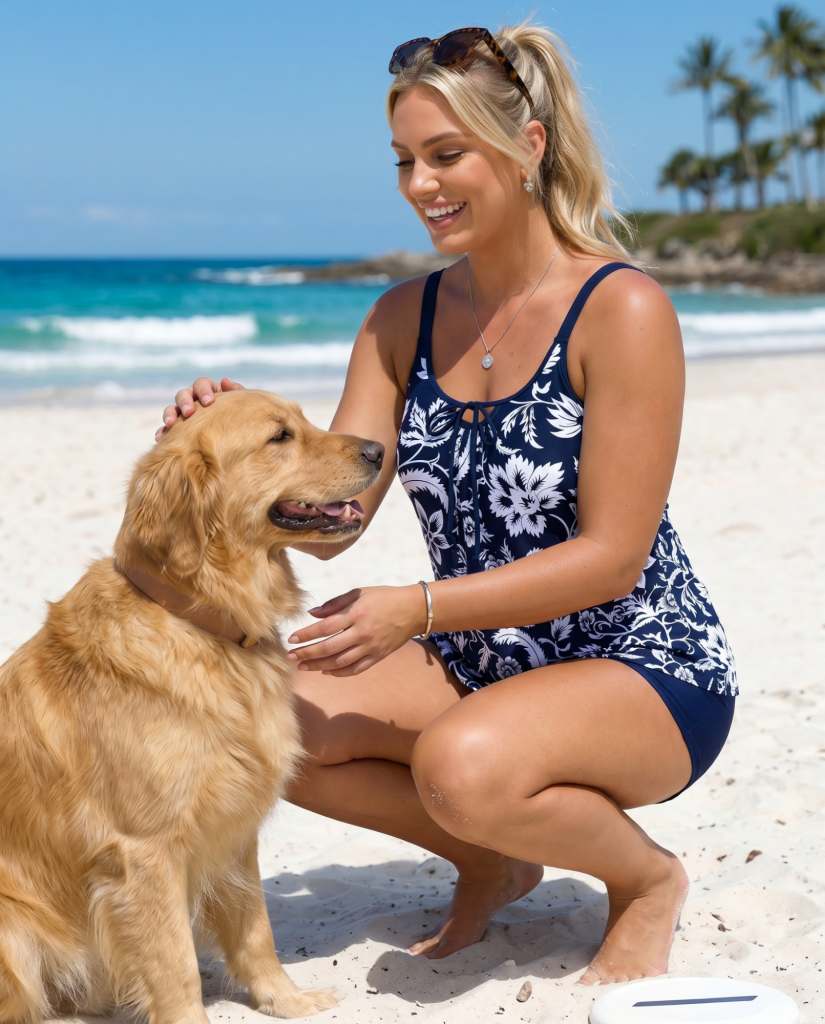
Navy Mid Waisted Lace Up Tankini Set
Choose the swimsuit around the time planned in and beside the water. A one-piece offers a continuous torso covering, while a tankini separates the top and bottom and can make bathroom breaks simpler. A bikini is another option when it suits personal coverage preferences and the property’s rules.
When comparing women’s swimwear, look at the cut and construction rather than deciding from the print alone. Check the back view, strap arrangement, and bottom coverage. Confirm whether the listing includes a complete set or a separate piece, especially when a product photograph shows both.
For Swimming
Try the suit on dry and raise both arms, bend forward, and sit down. Notice whether the neckline gaps, the straps move, or the bottom needs repeated adjustment. These checks can identify an uncomfortable fit, although they cannot establish how the suit will behave in the water.
Use clothing designed for swimming when entering the pool, and check any specific hotel restrictions. A cover-up, ordinary dress, or casual shorts should not be treated as swim attire simply because they cover the body. Anyone wanting more coverage can ask whether the hotel permits swim leggings or a swim shirt.
For Poolside Downtime
If most of the afternoon will involve reading or talking beside the pool, check comfort while seated as carefully as standing fit. A tankini hem should give the coverage wanted without bunching uncomfortably. Choose a swimsuit that feels comfortable under the cover-up too, since both pieces may be worn together between dips.
Add Useful Poolside Layers
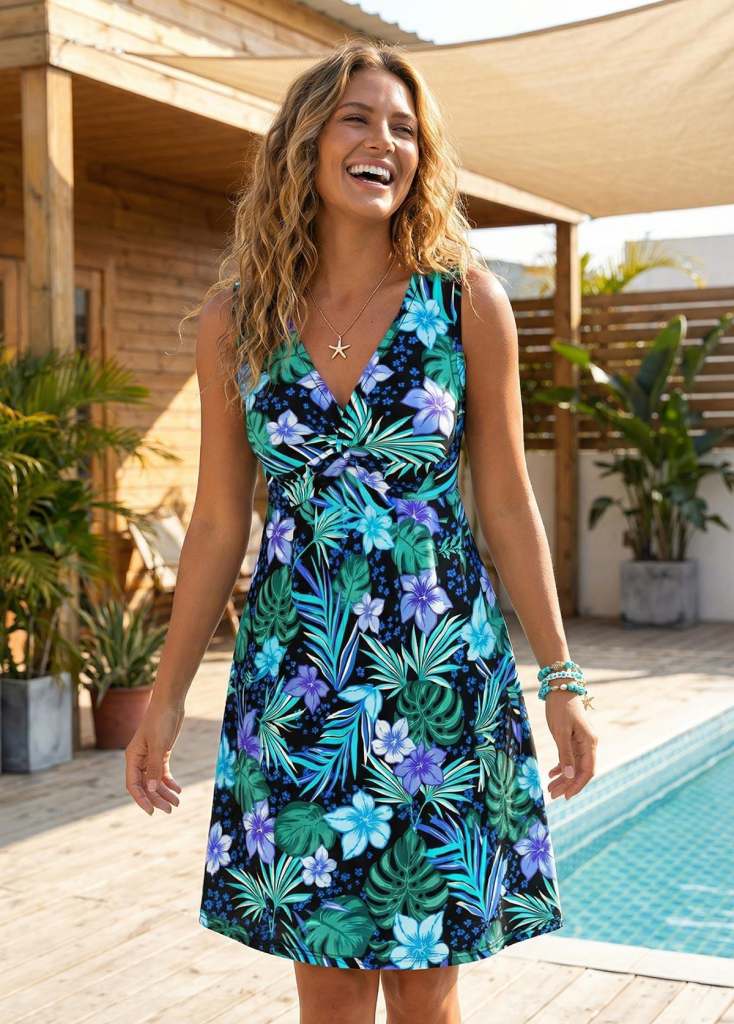
Cyan Tummy Coverage Floral Print Short Sleeveless Dress
A poolside layer should be easy to remove and put back on. A roomy tunic, button-front cover-up, or simple pull-on style avoids complicated ties when heading into the water. Keep long hems clear of the ground, and check that sleeves do not trail into drinks or catch on a chair.
Choose sandals that stay comfortably on the feet, and inspect the soles for wear before packing. Follow any footwear signs around the pool and walk carefully on wet surfaces. Fashionable shoes still need to suit the route: delicate heels and loose, awkward straps can make steps and changing areas harder to navigate.
For an outdoor pool, a brimmed hat and sunglasses can make time on a lounger more comfortable. Indoors, a light layer may be more useful when returning through air-conditioned corridors. Keep the outfit simple enough that the bag has room for a towel, the room key, and the dry clothes needed afterward.
Change Before Heading Inside
Wine Red Random Floral Print Short Tuck Stitch Dress
Before lunch, check where the meal will happen. A casual poolside table and a restaurant inside the hotel may have different standards. A dress worn over a dry swimsuit might suit one venue, while another expects regular clothing. A sheer cover-up does not automatically turn a swimsuit into a dining outfit.
Pack dry underwear and a change of clothes if a meal is planned immediately after swimming. A simple day dress or a top with shorts or pants gives more flexibility than relying on a damp suit underneath. Choose something easy to change into in the facilities available at the hotel.
Dry off before leaving the pool area, and carry a separate bag for damp swimwear so it stays away from the clean outfit. Evening rooftop events may have a different dress code from daytime swimming. Check those details before assuming the afternoon’s pool outfit will also work for drinks after sunset.
Plan the swim outfit and the return outfit together. A comfortable suit, an appropriate walking layer, practical footwear, and dry clothes for the next activity cover most of the decisions. Once the hotel’s specific requirements are clear, the day can move from room to pool to lunch with fewer interruptions.
