


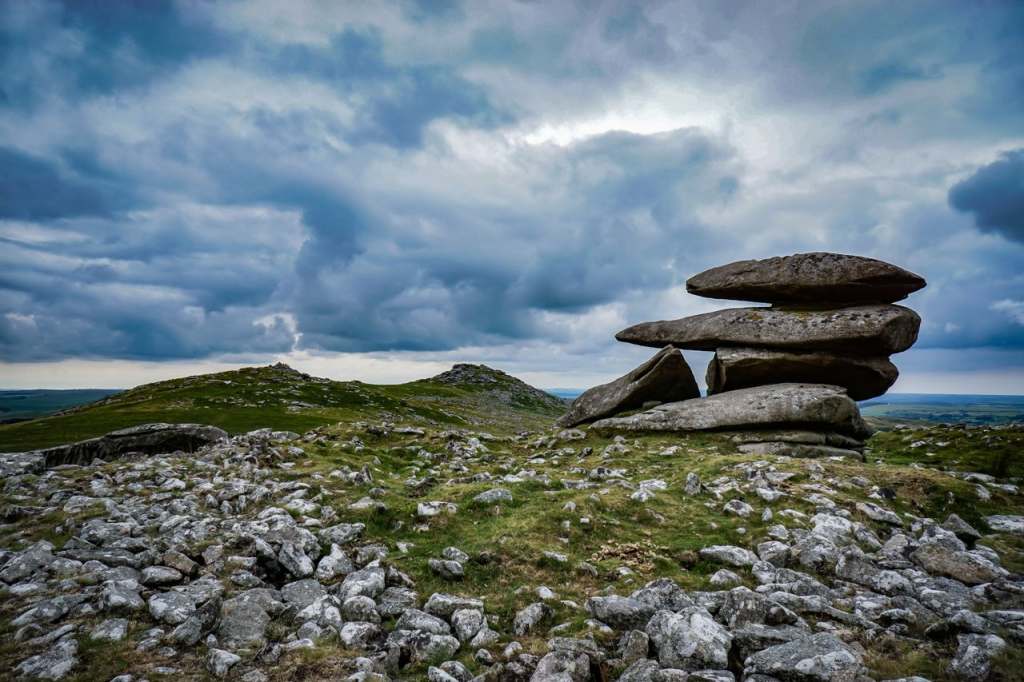
Wild camping in Dartmoor is allowed on certain commons without individual landowner permission, provided you are travelling with a lightweight backpacking tent and follow the local rules. The right does not cover the whole National Park, roadside pitches or campervans.
Can you wild camp in Dartmoor?
Yes, wild camping in Dartmoor is allowed in specified areas and under particular conditions. On 21 May 2025, the UK Supreme Court confirmed that the public right of access under the Dartmoor Commons Act 1985 includes wild camping as a form of open-air recreation. The decision upheld the right on Dartmoor commons, subject to the applicable byelaws.
Elsewhere in England, access land generally carries no comparable camping right. Even on Dartmoor, permission to walk does not mean permission to pitch anywhere. Follow the National Park Authority’s current backpack-camping map and code, as well as the byelaws and any temporary restrictions.
In the areas identified for backpack camping, you do not need to request advance permission from individual landowners. Outside them, do not assume that public access permits overnight stays: choose an authorised campsite or obtain the landowner’s permission where camping is otherwise lawful.
Where does the Dartmoor backpack camping map allow camping?
The Dartmoor National Park Authority publishes an interactive Camping Map showing the parts of Dartmoor’s commons where lightweight backpack camping is permitted and encouraged. It is the essential starting point for planning a route, rather than a general walking map or a list of popular beauty spots.
Check the live version immediately before your trip, as mapped areas and sensitive-site advice can change. Check the boundaries against your walking route. Being on a public footpath, near a tor or somewhere described online as a wild-camping spot does not establish permission to camp there.
The byelaws also prohibit tent camping within 100 metres of a public road, in enclosed land and in specified excluded areas. A car park or layby is not a campsite. Within permitted areas, choose ground that will not be damaged.
Best places for wild camping in Dartmoor
Rather than following a fixed list of secret pitches, match your route to the official map, your walking ability and the weather. Publishing exact locations can concentrate damage on fragile ground and disturb wildlife.
Remote upland moorland
More open stretches can offer space, wide horizons and quiet evenings, but they are also exposed to wind, fog and difficult navigation. The northern moor additionally contains military firing ranges, so a mapped camping area is not necessarily accessible on your chosen date.
Shorter routes from walking bases
For a first overnight trip, consider planning a manageable walk from a recognised base such as Okehampton or Princetown, then checking whether your intended route actually reaches a permitted camping area. These are walking bases, not automatic camping areas.
The best pitch is usually modest rather than dramatic: firm, already resilient ground, some shelter from the wind and a position out of sight of roads and buildings. Avoid boggy peat, nesting habitat, archaeological remains and heavily visited landmarks. If a site seems unsuitable, keep walking or use a campsite.
What is the Dartmoor Backpack Camping Code?
The Authority’s code treats backpack camping as part of a walking expedition, with clear limits:
- Travel light: carry your tent and equipment in your backpack and stay for no more than one or two nights.
- Keep groups small: use small, unobtrusive tents, stay out of sight of roads and buildings, and camp in groups of no more than six people.
- Protect the ground: avoid damaging vegetation, digging drainage channels or disturbing wildlife and livestock.
- Never light open fires or barbecues: wildfire can devastate moorland. The byelaws permit properly constructed camping stoves only when used without causing danger or damage.
- Take responsibility for waste: remove every scrap of litter and never contaminate streams or rivers.
For human waste, the Authority’s code says to bury faeces and used toilet paper beneath at least 15cm of turf, using a trowel. Choose somewhere well away from water, paths and camping areas; if the ground is too fragile to dig responsibly, pack waste out. Carry sanitary products and other rubbish away with you.
Leave no trace is essential, but it does not replace the need to camp somewhere the rules allow.
Nesting birds, military ranges and moorland safety
Dartmoor’s ground-nesting bird season runs from 1 March to 31 July. During this period, consult the Authority’s bird-nesting guidance and maps and avoid sensitive areas altogether. Birds can nest in apparently ordinary grass or heather, so remain alert and give livestock and wildlife plenty of space.
Parts of the moor are used for live-fire military training. Check the Ministry of Defence’s current Dartmoor firing timetable when planning and again before setting off. Red flags by day and red lamps at night signal active ranges; never cross their marked boundaries when warnings are displayed.
Even in summer, weather can deteriorate quickly. Mist may obscure landmarks, exposed ridges can be windy and heavy rain can make peat and stream crossings hazardous. Carry waterproof layers, warm clothing, sufficient food and treated drinking water, a headtorch, and a paper map and compass you can use. Tell someone your route and expected return time, and be prepared to turn back.
Can you wild camp in Dartmoor with a campervan?
No. The backpack-camping right excludes campervans, motorhomes, caravans and sleeping in parked vehicles. National Park byelaws prohibit overnight vehicle stays in roadside spaces, laybys and car parks. Stopping to enjoy the scenery is different from using a parking space for accommodation.
If you are touring by vehicle, choose a designated campsite or caravan park that accepts your type of vehicle and check access routes: Dartmoor has narrow roads and bridges that can be challenging for larger motorhomes.
Alternatives to backpack camping
Wild camping will not suit everyone. For toilets, showers, a longer stay or a larger tent, look for an authorised farm campsite, touring site, bunkhouse or other booked accommodation. Areas around Okehampton, Tavistock and Princetown make useful bases for exploring different parts of the moor, although facilities and tent-pitch availability must be checked with each operator.
Before any overnight walk, revisit the National Park Authority’s latest Camping Map, Backpack Camping Code and nesting-bird advice, plus the MOD firing notices and local weather forecast. Prepare carefully and leave the moor as you found it.
You might also like to learn about wild camping in Cornwall.