


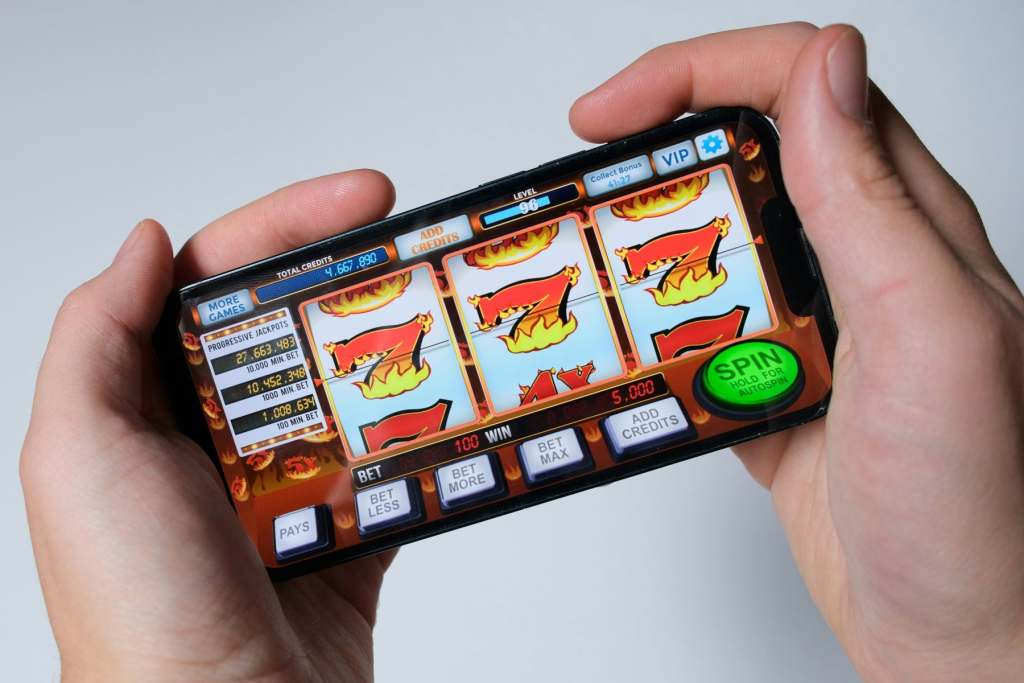
Anyone who has tried to stream a home football game from a hotel abroad knows how location rules work. Some apps simply stop working once you cross a line on the map. Real money casino apps in the United States behave the same way, only more strictly, and a traveller who opens one at the airport can find it has locked them out. The reason is legal. Online casino play is permitted in only a handful of American states, and Google’s Play Console policy says gambling apps are allowed only where they are licensed and approved, and must block access for minors and unauthorised locations.
For American readers heading from, say, Pennsylvania to Florida, that means the real money casino apps they use at home will not work once they land. The phone has to confirm it is physically inside a licensed state, and the moment it is not, the app stops.
Location checks and why they matter on the road
An app reads signals from the phone: GPS, WiFi networks and cell towers. If you are on hotel WiFi, a VPN or a shared connection, the check can fail even inside a legal state. The sensible habit is to switch off any VPN, enable location services for the app and test it before relying on it. If you are driving along a state border, expect the app to cut out when you cross it.
None of this is a fault. It is how licensed operators stay licensed, and it is a cue to ask who the app answers to. A genuine app will name its licence, the state regulator and a customer support route. One that does not care where you are should worry you.
Public WiFi is the bigger risk
Travel adds another problem that has nothing to do with gambling. AARP’s guidance on public WiFi security gaps warns that many open networks lack strong protection, and that people often log into bank accounts or enter card details on them without thinking. A casino app holds a payment method and identity documents, which makes it a good target.
For longer trips, these habits pay off:
- Use mobile data, not hotel or airport WiFi, for anything involving money.
- Keep the phone’s software up to date before you leave, not on the road.
- Turn on two step login for the app and for the email that sits behind it.
- Set deposit limits before travelling, when you are calm and at home, not in a departure lounge at midnight.
- Carry a charger. A dead phone mid transfer is worse than no phone.
Travelling with a budget
A trip has its own budget, and gambling spending should never share it with the hotel and the train fares. The practical way to keep them apart is to decide in advance how much, if any, goes to play, and to treat it as spent. Time zones make this harder. A late night in a new city is when judgement slips, and apps are open every hour.
It also helps to remember that winnings do not come on tap. Withdrawals can take time and need identity checks, which is awkward if you are in transit and your documents are in the hotel safe.
Cards, roaming and the rest of the bill
There is a quieter money problem on long trips. A card used abroad can trigger a fraud block, and a bank that cannot reach you on a foreign number may freeze it at the worst moment. Tell the bank your dates before leaving and keep a second card in a different bag. The same applies to any app that holds a stored payment method: if it fails to authorise, you want a plan that does not involve repeated attempts, which can trip further security locks.
A short checklist before departure
Before leaving home, confirm the app works in the states you will pass through, or accept that it will not. Check that the operator holds a licence for the state you are in and not only for your home state. Update the app and the operating system. Turn off any VPN. Write down the support contact. And decide whether you want to play at all on holiday.
Some of the best travel decisions are about slowing down, a theme our recent piece on whether a last minute holiday can still be responsible travel takes up. Checking your phone settings before you set off is part of the same habit.