


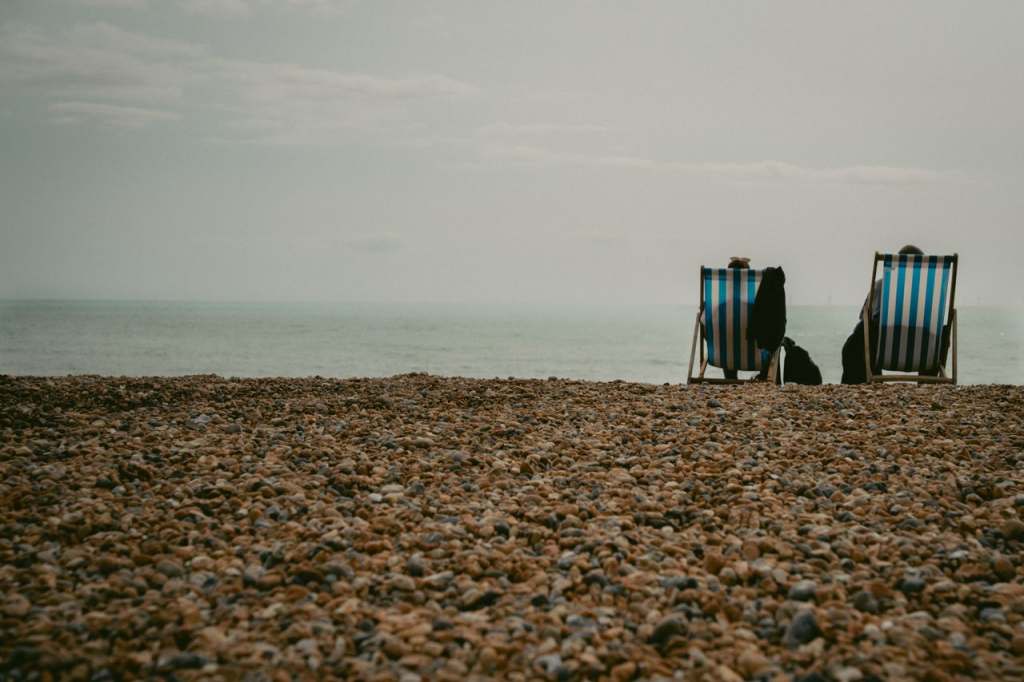
There’s a particular pleasure in arriving at a seaside town with nowhere urgent to be. The train eases in, the air feels a touch sharper, and somewhere beyond the shops you can hear gulls making far more noise than seems necessary.
That’s the beauty of a slow seaside break. Rather than treating the promenade as a route between attractions, you can let it become the attraction itself. Walk the length of it, pause for a bench with a view, browse a window full of rock and postcards, then decide what happens next. Piers, shelters, little theatres and cafés all make more sense when you’re not trying to rush through them.
Arriving with time to spare
A classic British seaside town rewards an unhurried approach. Promenades were made for strolling, after all. They’re broad, open to the elements and full of small details that disappear when you’re marching towards a timetable.
If you arrive in the afternoon, begin simply:
- Check in and leave the heavier bags behind.
- Take a gentle walk towards the water.
- Find out where the tide is, especially if you’re planning a beach walk.
- Notice where local people are sitting, eating and taking the air.
- Save the pier until early evening, when the lights begin to come on.
I find the first walk matters more than any carefully researched list. It gives you a feel for the place. Is the town lively and bright, or quieter with a faded elegance? Is the seafront all fish-and-chip shops and arcades, or does it lead into a harbour with fishing boats and old warehouses? Both have their charms.
Evening rituals are part of the appeal too. A turn along the promenade after supper, wrapped in an extra layer, can feel wonderfully old-fashioned in the best possible way. You might hear music from a nearby venue, spot the pier reflected in wet paving stones, or simply watch the sky change colour over the water.
Boardwalk heritage is more than bright lights
British seaside entertainment has always mixed spectacle with sociability. The pier, for instance, was not merely a structure reaching over the sea. It was somewhere to be seen, to listen to a band, to take the air and to spend an afternoon without much of a plan.
Southport Pier, opened in 1860, is widely regarded as Britain’s first purpose-built pleasure pier, intended primarily for promenading rather than docking ships. Its history, including storms, restoration and changing patterns of holidaymaking, is a useful reminder that seaside landmarks have constantly adapted. You can read more in the Southport Pier history.
Then there are the arcades. Their flashing fronts can make them look entirely modern, but the idea of coin-operated amusement has deep roots in British leisure culture. Penny machines, fortune-tellers, mechanical displays and simple games invited people to linger, laugh and compare notes. They were shared spaces, often noisy ones, where families, couples and groups of friends could shelter from a passing shower.
Fairgrounds brought another layer of theatre. Painted signs, organ music, illuminated rides and the scent of hot doughnuts made the seafront feel like an event, even on an ordinary weekend. Music halls and later variety theatres gave visitors a reason to dress up after a day on the beach. The tradition survives in many towns through summer shows, concerts, comedy nights and small local productions.
When you visit, it’s worth looking beyond the glossy frontage. Read the plaques. Look for preserved machinery. Ask a museum volunteer about the town’s holiday trade. These places often hold stories of railway excursions, boarding houses, performers and generations of returning visitors.
Plan for wandering, not ticking things off
The best destination planning starts with one practical question: can you comfortably get about on foot?
A walkable waterfront district gives you freedom. Choose accommodation within easy reach of the station, harbour, promenade or town centre, and you won’t need to turn every outing into a logistical exercise. You can pop back for a coat, rest for an hour, then head out again when the weather clears.
When comparing seaside towns, look for:
- A continuous waterfront walk
- A local museum or heritage centre
- A seasonal calendar
- Independent cafés away from the busiest strip
- Weather-proof options
A little research is useful, but leave room for accidents of the pleasant kind. Perhaps you’ll find a second-hand bookshop, a lifeboat station open to visitors, or a café serving the sort of sponge cake your grandmother would have approved of.
For travel by rail, the official National Rail journey planner is useful for checking routes and service updates before you set off.
A considerate way to enjoy the seafront
Seaside towns are homes as well as holiday places. A respectful visit makes the experience better for everyone, and it needn’t feel complicated.
Keep voices down late at night near residential streets. Use public bins, particularly on beaches and promenades where wind can carry litter quickly. Give working harbour areas plenty of space and follow signs around boats, ramps and equipment. If you’re photographing people, performers or market stalls up close, it’s courteous to ask.
Pacing is important too. There’s no prize for fitting everything into one day. Build pauses into your plan:
- Have a proper sit-down lunch rather than eating while walking.
- Leave a gap between a museum visit and the evening’s plans.
- Carry water and an extra layer, even in warmer months.
- Let the weather set the mood rather than fighting it.
Set a clear spending limit for entertainments, meals and souvenirs before you leave your accommodation. It keeps decisions simple and means a spontaneous ice cream or theatre ticket feels like part of the day, not a source of faff.
If you’re seeking adult-only evening entertainment, check the local rules, venue licensing and age restrictions in advance. Laws differ between destinations, and responsible venues will make their entry requirements clear.
**Sponsored/advertising disclosure:** The following is an adult-only digital leisure reference, separate from destination recommendations. It should be published only with the relevant publisher disclosure and age-gating measures in place.
Travel downtime for adults, separate from the itinerary
After a full day outdoors, some adults may prefer a quiet bit of screen time back at their accommodation. For readers aged 18 or over, and only where online access is legal in their jurisdiction, Monopoly Casino’s Double Bubble slot is an optional nostalgic, board-game-style digital entertainment choice.
It isn’t a travel activity, and it won’t improve a destination or make a holiday more memorable than a good walk, a decent meal and proper rest. If gambling no longer feels like leisure, step away and seek support from an appropriate local service, such as GamCare in Great Britain.
Let the evening end gently
The loveliest seaside evenings don’t require much planning. A sunset walk is the obvious choice, but it remains obvious because it works. Head out shortly before dusk, take the quieter end of the promenade, and watch the day settle.
Other low-key ways to round things off include:
- A small theatre performance, whether that’s live music, a play or a local comedy night.
- A local dessert, perhaps a warm pudding in a café, ice cream by the harbour, or a bakery treat to take back with you.
- A harbour-side drink or pot of tea, depending on the mood and the weather.
- A few lines in a notebook, noting the things you’d forget otherwise: the colour of the sea, a funny sign in an arcade, the name of a boat, the sound of rain on a pier roof.
That last one is worth doing. Slow travel isn’t about making every moment profound. It’s about allowing enough space to notice what’s already there.
The boardwalk, the old pier, the bright arcade entrance and the view from a bench all belong to a kind of leisure that asks very little of you. Turn up, slow down, and give the coast time to reveal itself.