


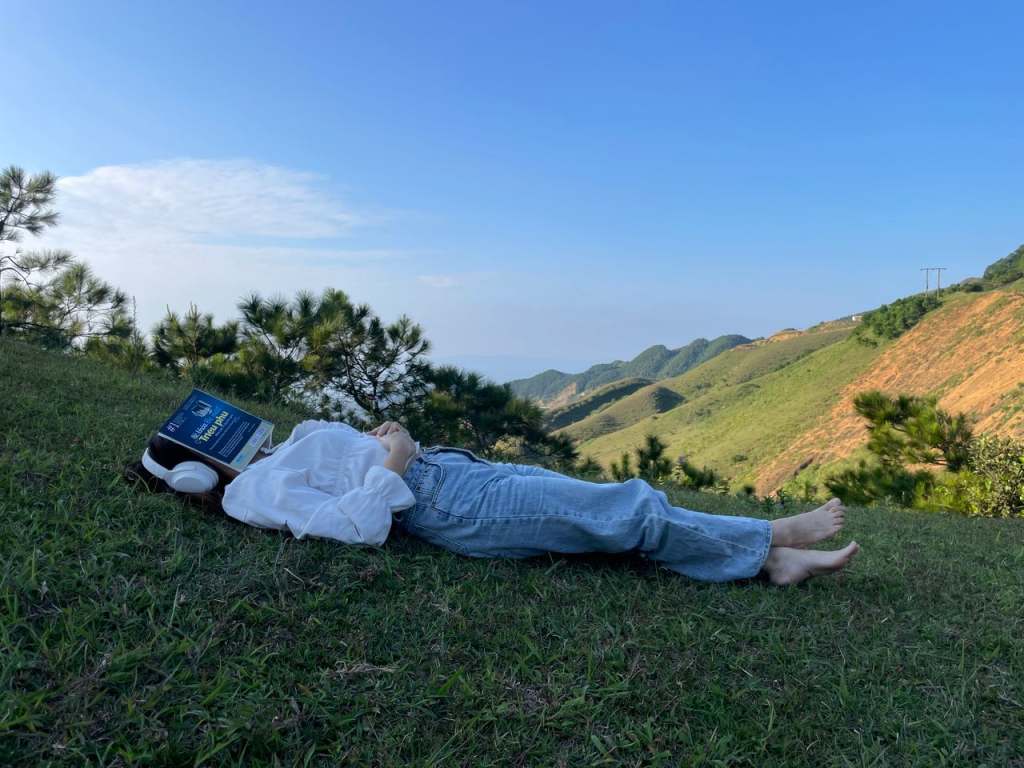
A good trip doesn’t have to mean filling every spare hour. In fact, once you’re over 40, there’s a real pleasure in leaving a little room around the edges of an itinerary.
That doesn’t mean seeing less. It often means noticing more.
A city break becomes better when you can sit with a proper coffee instead of marching straight to the next landmark. A road trip feels less like a logistical exercise when there’s time to stop somewhere unexpected. On a long-haul holiday, a quiet morning after arrival can make the rest of the week far more enjoyable.
Many of us have returned from a brilliant holiday feeling as though we need another few days off to recover from it. The answer isn’t necessarily a shorter trip. It’s building in rest days, or at least rest moments, with the same care you’d give to museums, meals and hotel bookings.
Travel should still feel exciting. It just needn’t feel like a race.
Start with an arrival day that asks very little of you
The first day sets the tone. If you’ve had an early train, a lengthy flight or a long drive, it’s tempting to put your bags down and head straight out. Sometimes that works. Often, though, it leaves you slightly out of sorts before the trip has properly begun.
A gentler arrival plan can be wonderfully effective:
- Book accommodation where you can walk to a few useful places, such as a food shop, café, pharmacy and evening restaurant.
- Keep the first evening local, with a relaxed meal rather than a timed attraction or a complicated journey across town.
- Choose just one simple activity, perhaps a waterfront walk, a look around the main square or a drink on a terrace.
- Save your most important sight for the following morning, when you’re better rested and more likely to enjoy it.
This is especially useful on long-haul holidays. Jet lag has a habit of making even straightforward decisions feel oddly taxing. A flexible first day gives you permission to settle in, drink some water, eat at a sensible time and get your bearings.
When planning a city break, I find it helpful to make two lists. The first is the “would genuinely regret missing” list. The second is everything else. That small distinction stops a packed guidebook from becoming your boss.
For wider inspiration, Travel Begins at 40 has a useful collection of city-break stories and travel ideas, which can help you decide what deserves a place on that first list.
Choose a base that makes pausing easy
Where you stay can have a bigger effect on your energy than people expect. A slightly more central, walkable base may mean fewer transfers, fewer hurried meals and less time spent working out public transport at the end of a long day.
Look for a neighbourhood with its own character rather than simply the lowest nightly rate or the closest pin to a famous attraction. Being near everyday life can be a real advantage. You might have a bakery downstairs, a small market around the corner or a park where you can sit for half an hour before dinner.
Before booking, ask yourself:
- Can I reach several places on foot?
- Is there somewhere pleasant nearby for breakfast?
- Would I be happy spending a quiet hour in this neighbourhood?
- Does the accommodation have a comfortable communal space, balcony, garden or sitting room?
- Is it realistic to return during the day if I need a break?
That last point matters. If your hotel is too far away, you’re less likely to use it as a base. A mid-afternoon pause to put your feet up, change clothes or simply read for 40 minutes can turn an overfull day into a manageable one.
Make rest days part of the destination, not a gap in the plan
A rest day doesn’t have to mean staying indoors from breakfast until bedtime. It can be a quieter way of getting to know somewhere.
The best low-pressure days usually involve one loose idea, not a timetable. Perhaps you’ll wander through a market, visit a gallery, find a café with outdoor tables or take a bus to a neighbourhood you haven’t seen in the guidebooks.
Here are a few options that work in almost any destination.
Linger in cafés and let the city come to you
There’s something revealing about sitting in one place for a while. You notice office workers on their lunch break, local routines, the style of conversation, what people order and how the day changes around you.
Instead of treating coffee as a five-minute pit stop, make it an activity. Bring a notebook, read a few pages of a book or look back at your photos. If you’re travelling with someone, it’s also a chance to talk about what you’ve enjoyed rather than rushing on to the next item.
Food often provides the clearest route into local culture. Travel Begins at 40’s food and drink features are a handy starting point for seeking out regional dishes, markets and places with a sense of place.
Pick one gallery, museum or historic house
Big museums can easily take an entire day, and there’s nothing wrong with that if it’s what you want. But there’s no rule saying you must see every room.
Choose one collection, exhibition or building that genuinely interests you. Give it your attention, take a break in the café and leave before your concentration disappears. You’ll remember more of what you saw.
The same applies to heritage sites. A smaller house, local museum or less famous church can be more satisfying than trying to squeeze in five headline attractions before closing time. For ideas beyond the obvious, browse Travel Begins at 40’s culture and history coverage.
Find green space, even in the middle of a city
Gardens, riverside paths, botanic spaces and public parks are ideal for resetting a busy itinerary. They’re also a lovely way to experience a city at a different pace.
Pack a light layer, find a bench and give yourself permission to do very little. If there’s a local garden or arboretum nearby, all the better. A slow circuit, a few photographs and a stop for lunch can be enough for an entire afternoon.
On a road trip, these pauses are even more valuable. Rather than driving from one major stop to another, add a village green, coastal path or woodland walk between them. Your route will feel more human, and the drive itself becomes part of the holiday.
Browse markets without making it a mission
Markets are brilliant places for an unhurried morning. You can sample local produce, pick up a small souvenir, watch stallholders at work and decide lunch based on what looks good rather than what was pre-booked weeks ago.
The trick is not to turn it into another checklist. Arrive late enough that you’re not competing with early-morning crowds, stroll at your own pace and leave when you’ve had enough. If you find a few ingredients for a simple supper back at your holiday rental, that’s a bonus.
Keep room for local events
A concert in a church, an outdoor film, a seasonal food fair or a modest community festival can give a trip a sense of occasion without demanding a packed day around it. Check local listings once you arrive, as smaller events are often easier to spot then.
For inspiration on cultural dates worth travelling for, the site’s festival guides can help when you’re choosing where and when to go.
Enjoy the downtime where you’re staying
It’s easy to treat a hotel room or holiday rental as merely a place to sleep. Yet a comfortable base can be part of the holiday, especially if you’ve planned a full few days beforehand.
A quiet afternoon indoors needn’t feel wasted. It can be a chance to:
- Read that book you packed with good intentions.
- Journal a few thoughts before the details blur together.
- Sort photographs, deleting duplicates and flagging favourites.
- Research a local restaurant or bakery for later in the week.
- Make a cup of tea and call home.
- Sit on a balcony, by a window or in a garden and simply watch the weather shift.
There’s a particular satisfaction in returning to a holiday rental with market ingredients and no evening schedule. Cook something simple, open the windows if the weather allows and enjoy the fact that you don’t have to be anywhere else.
This kind of downtime is also useful for couples and friends with different interests. One person may fancy an afternoon nap, while the other wants to browse nearby shops or take photographs. A flexible plan makes both possible without anyone feeling they’ve missed out.
Keep your phone useful, rather than letting it run the day
Travel apps are undeniably helpful. Maps, translation tools, transport updates and digital tickets can make unfamiliar places easier to navigate. But constant checking can pull you out of the experience.
A few practical habits can help keep things balanced:
- Download offline maps before you leave Wi-Fi.
- Save hotel details, booking references and emergency contacts somewhere accessible without a signal.
- Use reputable Wi-Fi networks where possible, and avoid entering sensitive information on public connections.
- Turn off non-essential alerts for a few hours each day.
- Put your phone away during meals, museum visits and walks where you’d rather be fully present.
- Check local rules before accessing any online service from abroad, as availability and regulations can vary by country.
If you use roaming, review your provider’s allowance before departure and switch off background data for apps that don’t need it. It’s a small bit of preparation that can prevent unnecessary interruptions while you’re away.
For more practical holiday planning, including ideas for routes and destinations, Travel Begins at 40’s travel planning articles are worth a look before you set off.
After you’re home, let the holiday settle
The return home is part of the journey too. Rather than immediately filling the diary, give yourself a little time to unpack, sort your photos and enjoy the memories properly. Make one of the recipes you discovered, print a favourite photograph or write down the places you’d recommend to a friend.
Some people also return to familiar leisure at home. That’s entirely separate from travel planning, and it should remain a personal, adult-only choice, approached thoughtfully and within limits.
For eligible UK adults who already enjoy online casino games as an occasional form of entertainment, Bally Casino is an optional resource to explore at home.
If gambling stops feeling like light entertainment, pause and seek support. The NHS guidance on gambling-related harm explains where help is available.
The real aim of building rest into a holiday is simple: you come back with stories, photographs and a clearer sense of the place, rather than a feeling that you merely rushed through it. Leave some blank space in the itinerary. It’s often where the best bits happen.