


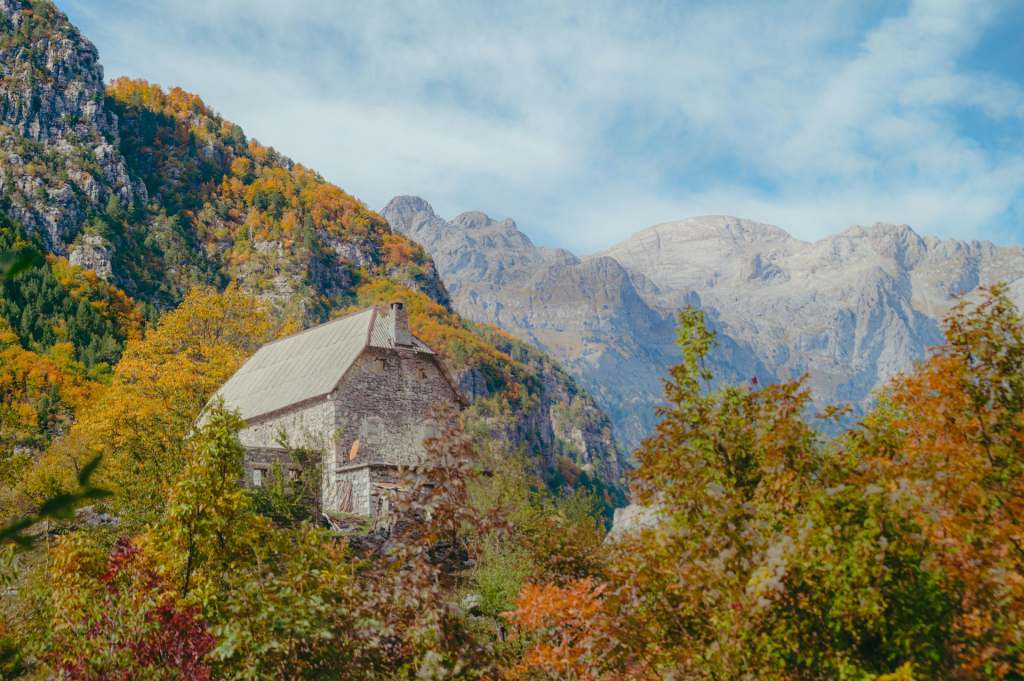
Three countries, one mountain range and a trail you can shape to suit you. Here is how to mix adventure and culture in the Accursed Mountains, with Peja, Plav and Shkodër as your bases.
Why the Peaks of the Balkans suits travellers over 40
The Peaks of the Balkans sounds like a serious undertaking. It is a long-distance loop through the Accursed Mountains (Prokletije), crossing the borders of Albania, Kosovo and Montenegro. It was first laid out at 192 km, and Kosovo-based operator Balkan Natural Adventure now puts the current route at about 168 km, walked in ten stages. Most people take 8 to 12 days to complete the whole circuit.
The good news is that you don’t have to do the whole circuit. Because it is a loop, you can start and finish in any of the three countries, and itineraries range from five days up to fifteen. Daily walks are typically 15 to 20 km. The route is rated moderate and non-technical, and on most days the climbing stays under 1,000 metres. Transfers can cut out the less interesting road sections, and Balkan Natural Adventure has added its own variants to avoid asphalt and dusty tractor tracks.
That flexibility is what makes the trail so suitable for the mature traveller. You can walk the most beautiful days, ride past the dull ones, and leave time for what makes this region special: Ottoman bazaars, Orthodox monasteries, castle legends and long dinners in family guesthouses.
Peja, Kosovo: monasteries, bazaars and the iron road
Peja (Peć in Serbian) is about 1 hour 40 minutes from Prishtina airport and is the natural starting point on the Kosovo side. The town sits on the fertile Dukagjini plain, with the mountains rising directly behind it. It was almost completely destroyed in 1999, but the old Ottoman market town is still easy to sense.
Culture first. Start at the Patriarchate of Peja, the seat of the Serbian Orthodox Patriarchate, where the Lumbardhi River emerges from the Rugova Gorge. It is a complex of churches under one roof, the oldest dating from the early 13th century, and it is part of the UNESCO-listed Medieval Monuments in Kosovo. Then walk the Çarshia e Gjatë, the long street of the old bazaar, lined with traditional houses and small jewellery workshops. Families once came here to buy gold for brides with money earned abroad. Nearby is the Bajrakli (Market) Mosque, thought to date from the second half of the 15th century. The Regional Ethnological Museum is housed in an Ottoman konak and takes about 30 minutes; it displays traditional costumes, textiles and musical instruments.
Then the adventure. A few kilometres from town, the Rugova Gorge is Kosovo’s via ferrata capital. Via ferrata is Italian for “iron road”: you climb using fixed steel cables, ladders and rungs while clipped to the rock at all times. There are four routes in the gorge, so you can choose your level:
- Mat is the easiest, shortest and closest to town. It follows the river along a path carved into the rock and is the best place to begin.
- Shpellat (“Caves”) is a step up, passing through caves with wide openings over the gorge.
- Ari was the first via ferrata in Kosovo, built in 2010, and offers views over Peja and the gorge.
- Marimangat is the hardest and is for people with previous experience. It is about 1 km long, takes around three hours, and begins at a Tibetan bridge suspended 60 m above the gorge.
No climbing experience is needed for the easier routes, just reasonable fitness and the right equipment, which can be rented in Peja. Balkan Natural Adventure runs guided via ferrata outings from around €25, and a zip line in the gorge can be added for those who want more adrenaline.
Plav, Montenegro: a glacial lake beneath the peaks

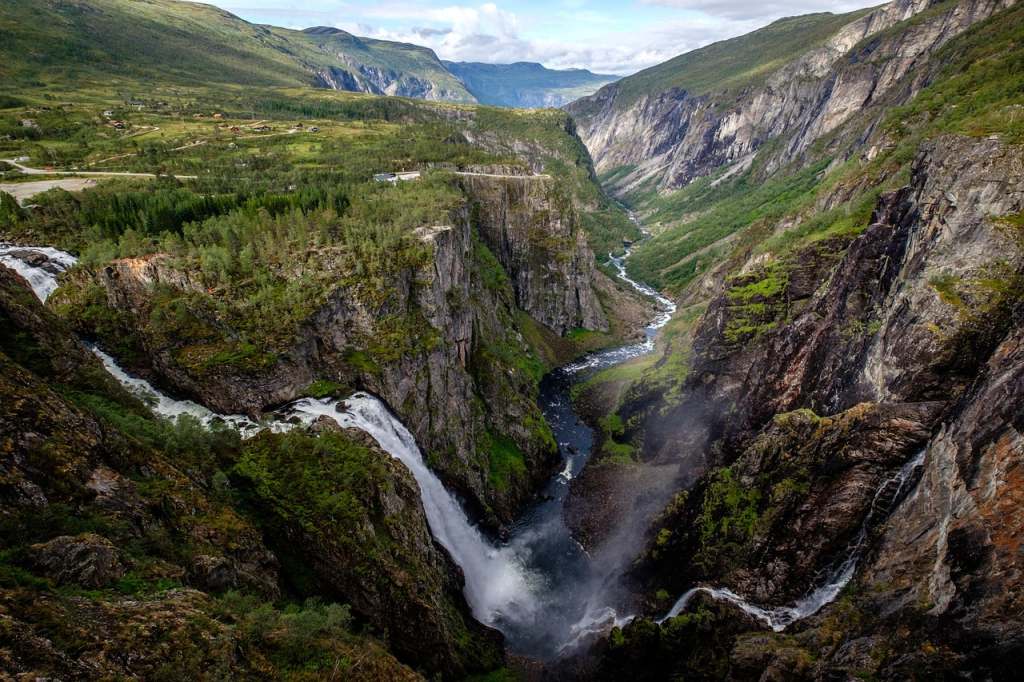
Cross into Montenegro on foot and the trail runs right through the centre of Plav. The town sits at about 945 m, just above Lake Plav, which Balkan Natural Adventure describes as the largest glacial lake in the Western Balkans. The final stage into town, from Babino Polje, is about 15 km and takes 5 to 6 hours, one of the gentler days on the trail.
Plav was under Ottoman rule until 1913 and was one of the last areas to become part of Montenegro, and its mosques and stone houses reflect that history. It is also the gateway to Prokletije National Park, Montenegro’s newest, established in 2009.
This is a good place for a rest day that isn’t idle. Walk to the Grlja springs and waterfall or the Ali Pasha Springs, or take the classic day hikes into the Grebaje Valley or up to Hrid Lake. If you’d rather stay low, there is kayaking, fishing, horse riding and cycling, and in summer a cold swim in the lake for the brave.
Shkodër, Albania: castle legends and the Komani Lake ferry
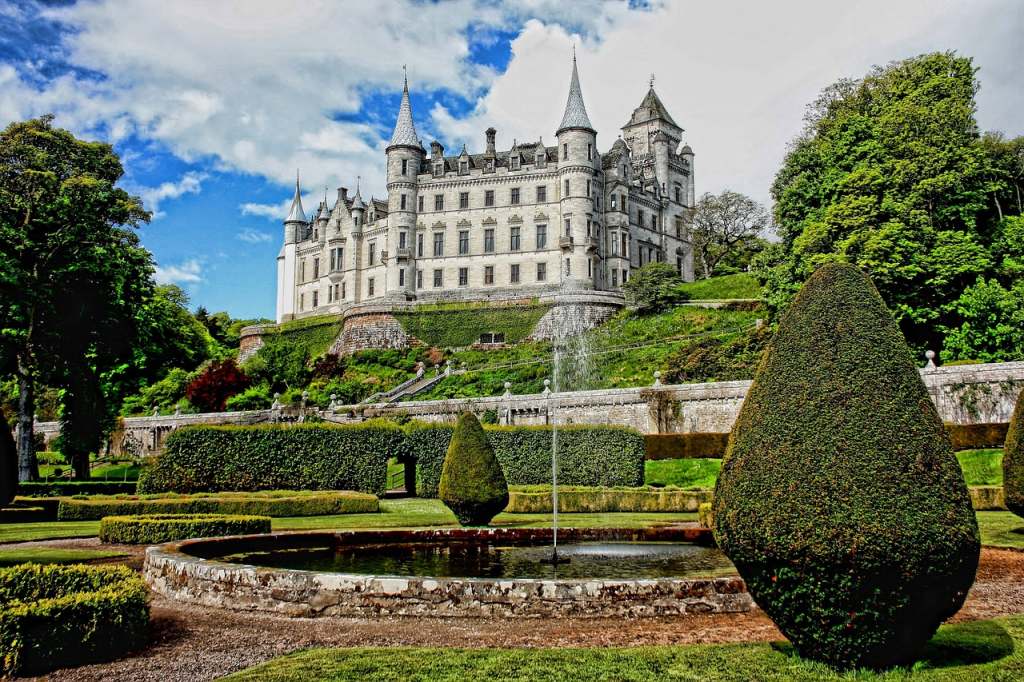
Shkodër, the largest city in northern Albania, is the most common starting point for the trail and a lovely place to begin or end. Spend an evening on the pedestrian street, the Pedonalja, and climb up to Rozafa Castle. It sits on a hill above the confluence of the Buna and Drin rivers and looks over Lake Shkodër to the mountains of Montenegro. According to legend, Rozafa was walled into the castle to keep it standing, and asked for openings to be left so she could keep nursing her baby. Photography lovers should also visit the Marubi National Museum of Photography.
From Shkodër, one of Europe’s great journeys takes you into the mountains: a bus to Komani, then a boat ride of about two hours through the steep gorges of Komani Lake, and a drive up to the Valbona Valley. From there, the Theth to Valbona stage (about 16.4 km, around seven hours) is the trail’s most famous day, a high pass between two valleys. Theth is mainly Roman Catholic and Valbona mainly Muslim, a small reminder of how many layers of history these mountains hold.
A sample route: culture, via ferrata and the best of the trail
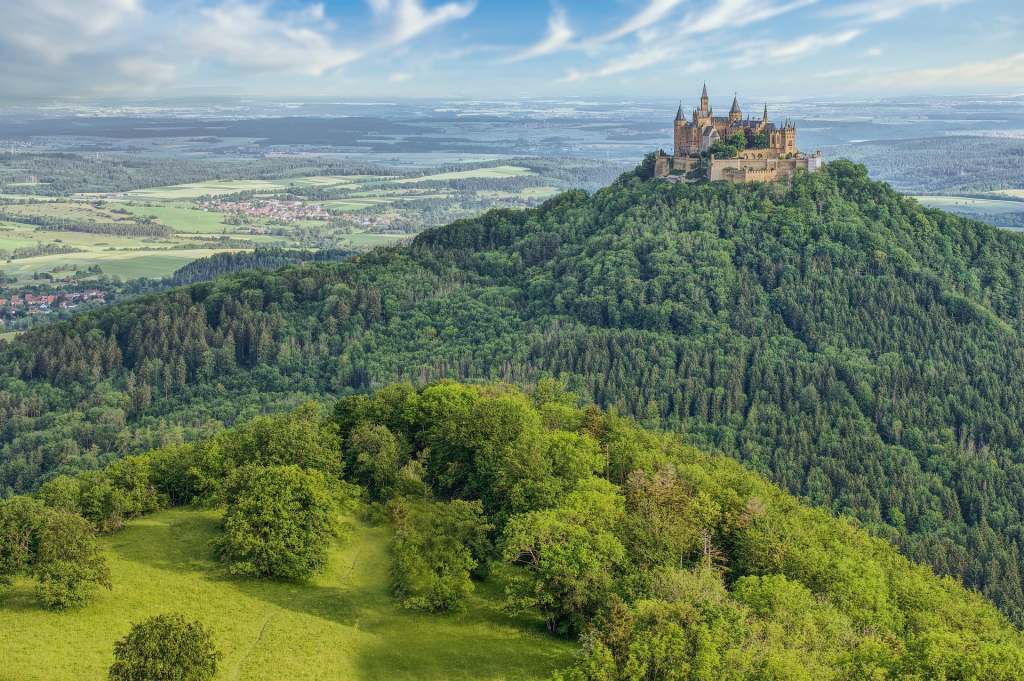
This route links Peja, Plav, Theth and Shkodër in eight to eleven days, depending on how many optional days you add. Each base gives you a choice, so you can make the trip as active or as relaxed as you like.
- Day 1: Fly to Prishtina and transfer to Peja, about 1 hour 40 minutes.
- Days 2–3 (one or two days in Peja): A cultural tour of the Patriarchate, the old bazaar and the Ethnological Museum, plus a via ferrata in the Rugova Gorge. With one day, combine them. With two, give culture and the via ferrata a day each, and perhaps add the zip line.
- Next day: Transfer up the Rugova valley to Liqenat and hike the trail to Babino Polje, crossing into Montenegro on foot. A short transfer then takes you to Plav for the night.
- Plav day: Choose your pace. Stroll along Lake Plav, paddle it by kayak, or climb Popadija for wide views over the lake and the Accursed Mountains.
- Into Albania: Transfer to the Ropojanë valley and hike over the mountains to Theth, about 17 km and roughly eight hours. It is one of the most spectacular days on the whole trail.
- Optional day in Theth: Stay on to walk to the Blue Eye or the waterfall, or simply enjoy the quiet of the valley.
- Transfer to Shkodër: About three hours down from the mountains.
- One or two days in Shkodër: A cultural day at Rozafa Castle, the Marubi photography museum and the Pedonalja. If you have a second day, relax at the beach, either on the shore of Lake Shkodër or on the Adriatic at Velipojë.
- Final day: Fly home from Tirana or Podgorica.
All of it can be rearranged. Add a rest day, skip a stage with a transfer, or swap a hike for a more cultural day.
Guided or self-guided?
Both work well here, and the right choice depends on how much you want to organise yourself.
- Guided: A guide walks with the group, handles problems on the day and takes care of logistics. Balkan Natural Adventure lists its 10-day guided trip at €980 and a 6-day guided version at €765 for the coming season.
- Self-guided: You walk at your own pace, navigating with an app, while the operator books guesthouses, transfers and permits. Prices start from around €540.
The company was founded in Peja and also has an office in Tirana. It is a Travelife Partner for sustainable tourism, and its trips have been covered by the Financial Times, The Guardian and BBC Travel. Check prices and dates directly with the operator, as they change from season to season.
Praised for its flexibility. What stands out in Balkan Natural Adventure’s reviews is how readily the team adapts. On Trustindex, which collects its reviews, it has an average of 5.0 out of 5 from 992 reviews, and it has 285 on Tripadvisor. Many reviewers write about plans changing mid-trip:
- One hiker said the team “adjusted the itinerary along the way”, avoiding the rain where possible.
- Another, whose group needed to change plans during a medical emergency, thanked the team for “handling endless questions and changes”.
- A third described getting advice on “which stages to skip and which hikes to do instead”.
Other reviewers mention a transfer rebooked at short notice and weather updates sent throughout the trip. For travellers who want adventure without rigid schedules, that flexibility matters as much as the scenery.
Practical tips before you go
- When to go: Mid-June to mid-September is the main season, when all the guesthouses and passes are open. Mid-July to mid-August is the busiest time, and midday temperatures can exceed 30°C. In April, May and October you may meet snow, shorter days and closed guesthouses.
- Border permits: You need permits to cross the mountain borders between the three countries. Montenegro requires an in-person application and payment, while Kosovo and Albania handle requests by email. A tour operator can do the paperwork for you, and it’s worth letting them.
- Where you’ll sleep: Mostly family guesthouses. Expect about €40–45 per person per night if you book independently, usually including dinner and breakfast. Valbona and Theth fill up quickly in summer. Meals are hearty (bread, dairy, meat, vegetables), and vegetarian options are increasingly available.
- Getting there: The main airports are Prishtina (for Peja), Podgorica (about four hours by car from Plav) and Tirana (for Shkodër).
- Money: Kosovo and Montenegro use the euro, and Albania uses the lek.
- On the trail: Carry at least a litre of water and a filter or purification tablets. Walking poles make the long descents much easier on your knees.
The takeaway
The Peaks of the Balkans proves you don’t have to choose between a hiking holiday and a cultural one. Spend a morning among 13th-century frescoes in Peja and the afternoon clipped to a cliff above the Rugova Gorge. Then rest beside a glacial lake in Plav and finish with a castle legend in Shkodër. You can walk all of it or only a few days. Either way, you’ll cross three borders, sleep in family guesthouses and find a corner of Europe that still feels like a discovery.