Bulgaria is definitely one of the European continent’s best kept secrets, but now the secret is out. Within a week you can wander amid Roman relics in Plovdiv, listen to monks chanting in an internationally protected monastery, drink wine from a family cellar & swim in the Black Sea. No other country the size of Bulgaria can provide such variety & prices remain low compared to Western Europe.
The figures are clear proof. The Bulgarian National Statistical Institute (NSI) recorded over 9.5 million overnight tourists staying in accommodation facilities in 2025, including some 4.1 million foreigners. The number of foreigners was up 9.8% on the previous year. Bulgarian overnight stays were also among the top 10 of the EU’s fastest growing destinations, with an increase of almost double that of the average EU member state according to preliminary data of Eurostat.
For Americans, Brits and Europeans, Bulgaria is becoming a more confident host country. Booking a well arranged private tour will give you access to Bulgaria’s very best. Explore its rich history, breathtaking landscapes, charming villages and vibrant local culture with the comfort of a private experience. From historic landmarks to hidden gems, every journey offers a unique opportunity to discover the authentic beauty of Bulgaria.
What Is a Private Tour & Why Should You Take One?
Private tours revolve around you and your party only, with the dates, pace and itinerary all your own. Instead of joining a group on a coach, you will be traveling with your own licensed guide and driver. When the best things in the country are the tiny villages, mountain monasteries and family wineries, this makes a huge difference.
- Flexible Pace: Spend more time at places you love and skip what you don’t.
- Better Access: Explore hidden streets, local villages and small wineries.
- Expert Guidance: Enjoy local insights, history and helpful recommendations.
- Less Hassle: Prearranged transport, hotels and tickets make travel easier.
A private tour does not necessarily have to be expensive. Sharing the cost of a guide and transport among 4 to 6 people is not much more than a premium group tour.
Top Tourist Attractions to Visit in Bulgaria
Sofia: A City of Historical Layers
Sofia is commonly considered to be a transit destination; however, it deserves one full day. Alexander Nevsky Cathedral is the iconic sight of Sofia. Boyana Church boasts unique frescoes from the 13th century while the complex Serdica presents ancient Roman streets hidden under the current city. Food walk is an excellent opportunity to learn about Bulgarian food.
Tip: Boyana Church restricts the number of visitors; therefore, make sure to schedule your visit in the morning.
Plovdiv: One of the Oldest Continuously Inhabited Cities of Europe
The history of Plovdiv dates back several thousand years ago. It was a European Capital of Culture in 2019. The city’s Roman theater is used today to host concerts, and the colorful houses of the Revival era fill the Old Town.
Rila Monastery and the Seven Rila Lakes
Dating back to the 10th century, Rila Monastery is Bulgaria’s most important spiritual and cultural monument and also a UNESCO World Heritage site. For nature enthusiasts, there are the Seven Rila Lakes, which can be accessed via a chair lift and an easy-to-moderate hiking trail, typically open between late spring and early autumn.
Tip: Dress conservatively (covered shoulders and knees) when visiting the monastery, and take a sweater even during summertime.
Veliko Tarnovo and Medieval Bulgaria
Tsarevets fortress, which used to be the capital of the Second Bulgarian Empire, is situated on a hill overlooking the bend of a river. Nearby are the village of Arbanasi and the Rock-Hewn Churches of Ivanovo (UNESCO site as well).
The Rose Valley and Koprivshtitsa
Near Kazanlak lies the Rose Valley, which has provided rose oil to the fragrance industry for a very long time now. Visit during the month of late May or early June to see the harvesting of rose oil, which comes with a Rose Festival. There is also a UNESCO site near by known as the Thracian Tomb of Kazanlak. Koprivshtitsa is a hilly town, which has preserved all its nineteenth-century houses to depict the revolt of 1876.
The Black Sea Coast
The ancient Nessebar is a UNESCO site that has its old Byzantine churches along with wooden houses. Sozopol appears to be more calm and artistic, while Varna has got some good beaches and an archaeological museum along with a busy beachfront.
Culture and History Sites
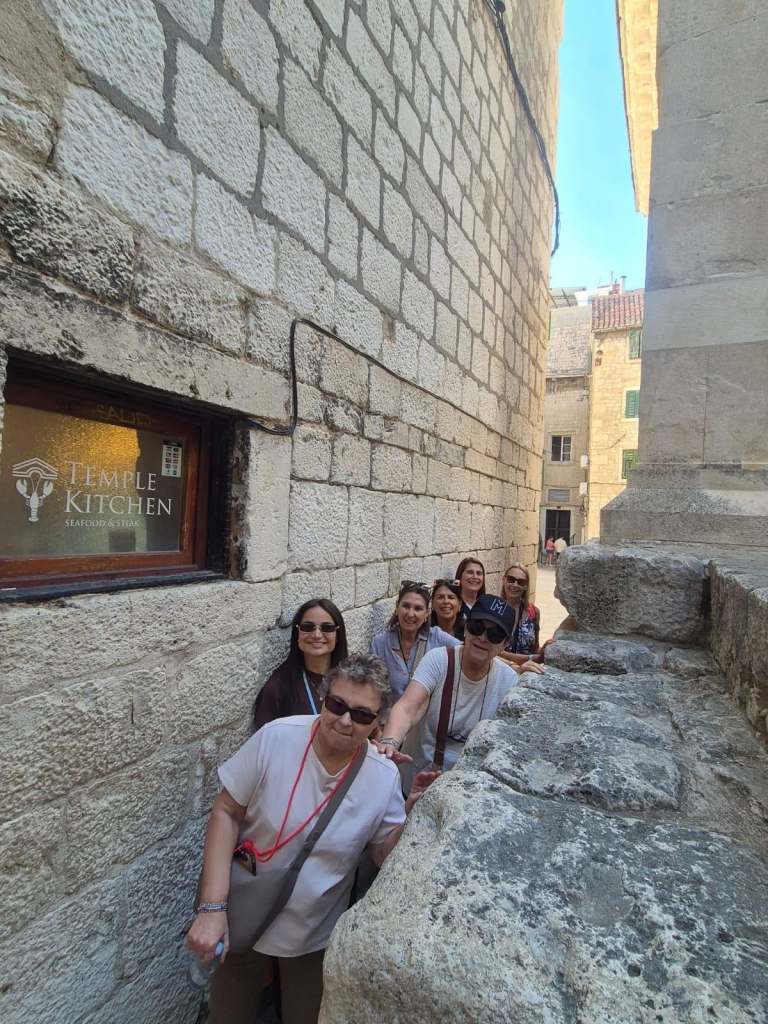
There are ten UNESCO World Heritage Sites in Bulgaria, which include monasteries, tombs, national parks and ancient forests. These sites reflect Thracian, Roman, Byzantine and Ottoman history, and thus tours of cultural and historical sites are very popular in the country. In addition to the UNESCO sites, there are Belogradchik Rocks in northwest Bulgaria.
- Planning advice: you should visit two sites at most during one day. The distances seem to be short on the map, but not on the mountain roads.
Wine and Food: The Proper Way to Taste Bulgaria
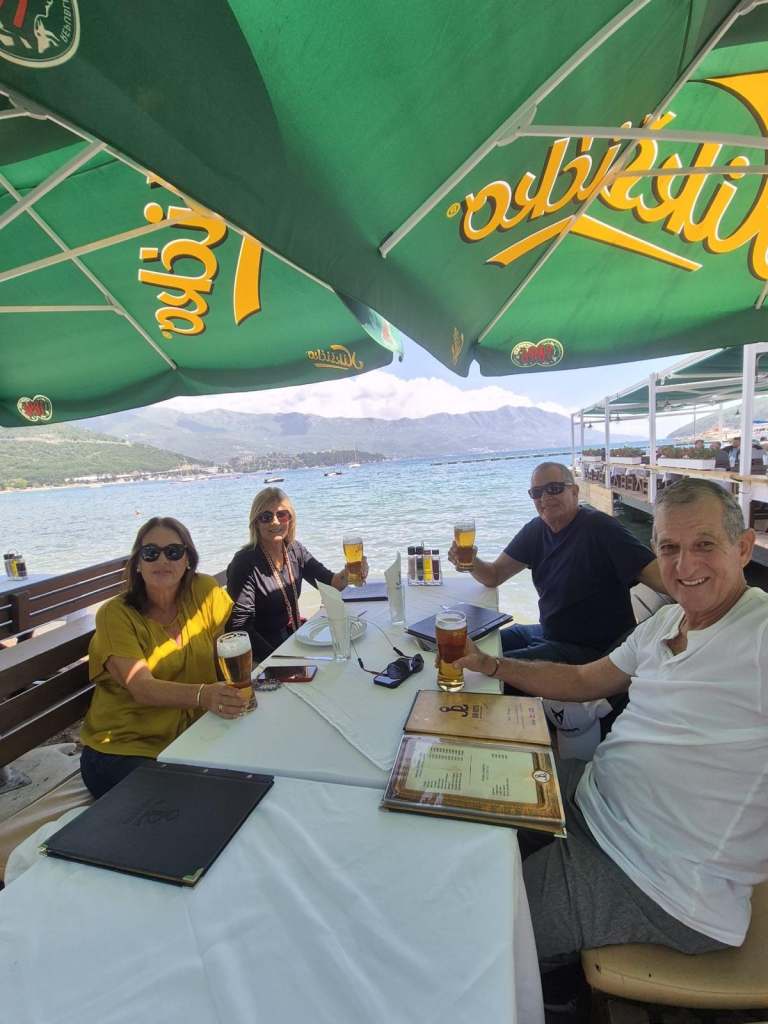
Bulgaria has been making wine for over 2000 years & the quality of its products has seen remarkable improvements in recent decades. The most important wine regions to know about
- Thracian Valley:
warm and fertile, renowned for red blends and the locally grown Mavrud. - Melnik (southwest):(southwest):
A small wine-growing region close to the Pirin Mountains, famed for the unique Shiroka Melnishka Loza grape. - Danube Plain:
Perfect for fresh whites, Cabernet Sauvignon and Gamza.
For food, you have shopska salad (tomato, cucumber, and sheep’s cheese). Next, banitsa (cheese pastry), kavarma (stew), and tarator (cold cucumber and yogurt soup, best enjoyed in summer).
Tip:
Request a tasting session that includes at least one local grape variety they find it is not easy to come by back home.
Traveling Outside of Bulgaria: Balkan Tours in Several Countries
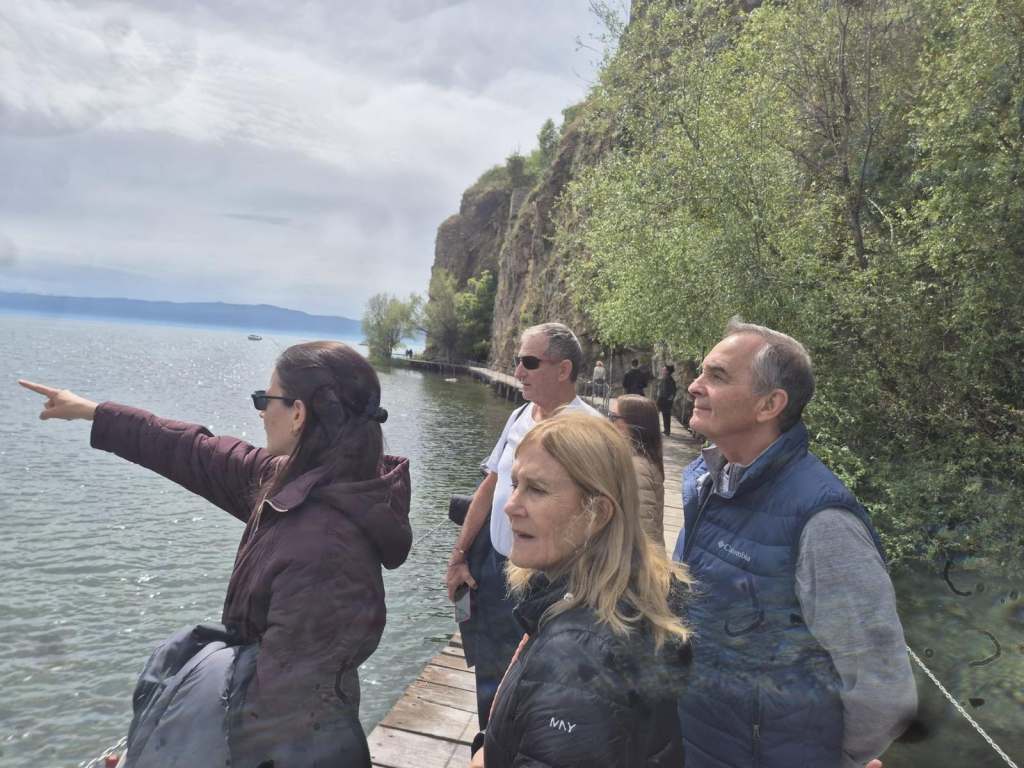
Bulgaria is situated at the crossroads of the Balkans, making it an ideal starting point for exploring several countries in one trip. Travellers interested in discovering different cultures, historical landmarks and landscapes can explore Balkan Multi-Country Tours to find suitable travel options across the region.
- North Macedonia: Sofia to Skopje and Ohrid.
- Serbia: Sofia, Niš and Belgrade.
- Romania: over the Danube River to Bucharest and Transylvania.
- Greece: Rila, Melnik and the Meteora Monasteries, finishing in Thessaloniki.
- Türkiye: to Edirne and Istanbul.
It’s advisable to choose a multi-country tour taking at least ten days so that you would not spend half of each day driving.
For travellers starting their journey in Türkiye, the Grand Balkan Tour from Istanbul offers an opportunity to explore multiple Balkan destinations from Istanbul. It is worth considering for those who want to experience several countries during one extended holiday.
Best Time to Visit Bulgaria
| Season | Suitable For | Expectations | Useful Reminder |
| Spring (Apr–May) | Cultural visits, roses, countryside | Moderate climate, fewer crowds | Bring along a light raincoat |
| Summer (Jun–Aug) | Black Sea coast, trekking, festivities | Hotter weather, even hotter in the south | Secure your hotel on the coast in advance |
| Autumn (Sep–Oct) | Wine harvesting, city sightseeing, trekking | Mild weather, beautiful autumn colors | Perfect season for wine and food tours |
| Winter (Dec–Mar) | Skiing, spa resort towns | Cold weather in the mountains | The ski resort town of Bansko is crowded at weekends |
The NSI data quoted by the Ministry of Tourism suggest an increase in the number of visitors in April, May, October and November, which means that travelers are becoming aware of the advantages of the shoulder season. The optimal period for visiting Bulgaria for the first time is late May to June and September to early October.
Travel Tips for English-Speaking Visitors
Entry: Bulgaria is a country of the European Union and a full member of the Schengen area since 1 January 2025. Requirements for US, UK and other visitors may vary; check official government travel pages in advance.
Money: On 1 January 2026, Bulgaria switched to the euro. In the cities cards are widely accepted, while in villages, markets and small guest houses you will need some cash.
Transport: Sofia has a metro, trams and buses, and taxis are cheap. In the countryside a private driver is much better than public transport.
Language: English is widely spoken in tourism and among young people. Useful phrases: Zdravei (hello) and Blagodarya (thank you). Bulgarians use head movements to express “yes” (shake) and “no” (nod) and ask for verbal confirmation.
Tipping: 10% in restaurants when the service is not included.
Packing: Comfortable footwear for cobblestone streets, an extra layer for mountain nights, and conservative clothing for monasteries.
Safety: Bulgaria is a safe destination for tourists. Take precautions as you would in any other city and use licensed taxis or ride-hailing services.
How to Organize Your Custom Travel Experience
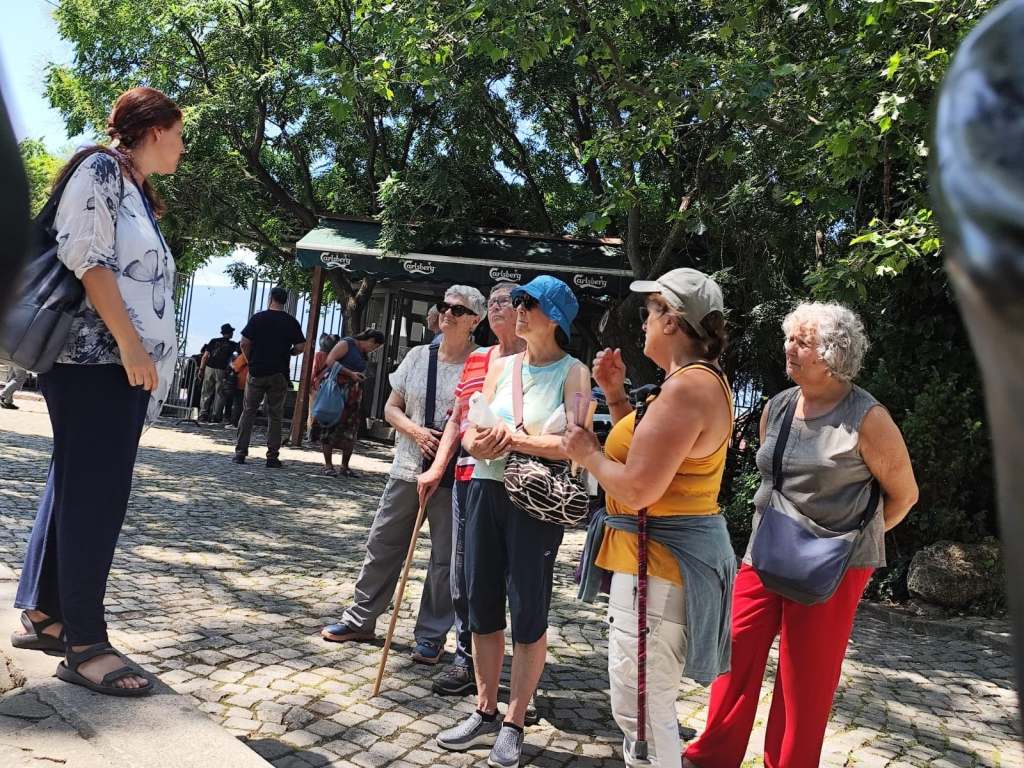
- Choose your focus: history, nature, cuisine, wine or relaxation. It could be a combination of them, but pick one as the main focus.
- Determine the duration: seven days will allow you to see Sofia, the Rila mountains, Plovdiv and Veliko Tarnovo. Ten to twelve days will give you time to see the coast or a neighboring country.
- Determine the season using the table above.
- Discuss comfort and pace: boutique hotels, family-run accommodation or both; easy walking or strenuous hiking.
- Consult a local expert about what is available and appropriate routes for your party.
Sample 7 Day Private Itinerary
Day 1: Arrival in Sofia, walk around & welcome dinner
Day 2: Boyana Church and Sofia museums then transfer to Rila Monastery
Day 3: Rila Monastery and short hike, evening in the Melnik wine area
Day 4: Wine cellar in Melnik, then proceed to Plovdiv
Day 5: Plovdiv Old Town, Roman theater & Kapana
Day 6: Transfer to Veliko Tarnovo through Rose Valley, Tsarevets in sunset
Day 7: Arbanasi and Ivanovo, then back to Sofia
Travellers planning a longer European holiday can also consider the 21-Day Grand Balkan Tour from Athens, Greece. Its extended duration makes it an option for visitors who want to explore the Balkans at a more relaxed pace.
Conclusion
Bulgaria provides everything that tourists nowadays seek: authentic history, gorgeous scenery, great cuisine and wine, and reasonable prices, all free from the hustle of other popular tourist destinations. A private tour gives you an opportunity to discover it on your own terms, guided by someone who will turn each sight into a story.
If you are planning your first week in Bulgaria or your entire Balkan tour, start with your preferences, select the appropriate season, and allow yourself some time to relax. Once you decide to make your plan, visit Rad Festa’s tours or contact us for consultation.
FAQs
Is Bulgaria a good choice for private tours?
Yes the most interesting places are in small towns, mountains & villages where a private guide and driver make your trip much more efficient than public transport.
How many days do I need?
Seven to ten days are enough for all major sites. An additional three to four days can be added for the Black Sea Coast or neighboring countries.
When is the best time to come?
Late May to June and September to early October are perfect in terms of weather and prices. Winter for skiing, summer for the seaside.
Is Bulgaria expensive?
One of the cheaper countries within the European Union. Prices of food, public transport and accommodation are clearly lower than in Western Europe.
Can I combine Bulgaria with other Balkan countries?
Yes. North Macedonia, Serbia, Romania, Greece & Turkey can be combined with Bulgaria. You will need at least ten days.
Do I need a visa?
This depends on your nationality and may vary. You should check the visa requirements on your country’s official government website.
Is Bulgarian food vegetarian-friendly?
Yes shopska salad, cheese banitsa & beans stew are vegetarian. Inform your guide about this in advance so that everything will be organized properly.
What is unique about Bulgarian wine?
Local grapes like Mavrud, Gamza and Shiroka Melnishka Loza, as well as the centuries-old history of wine production make Bulgarian wines truly unique.
