


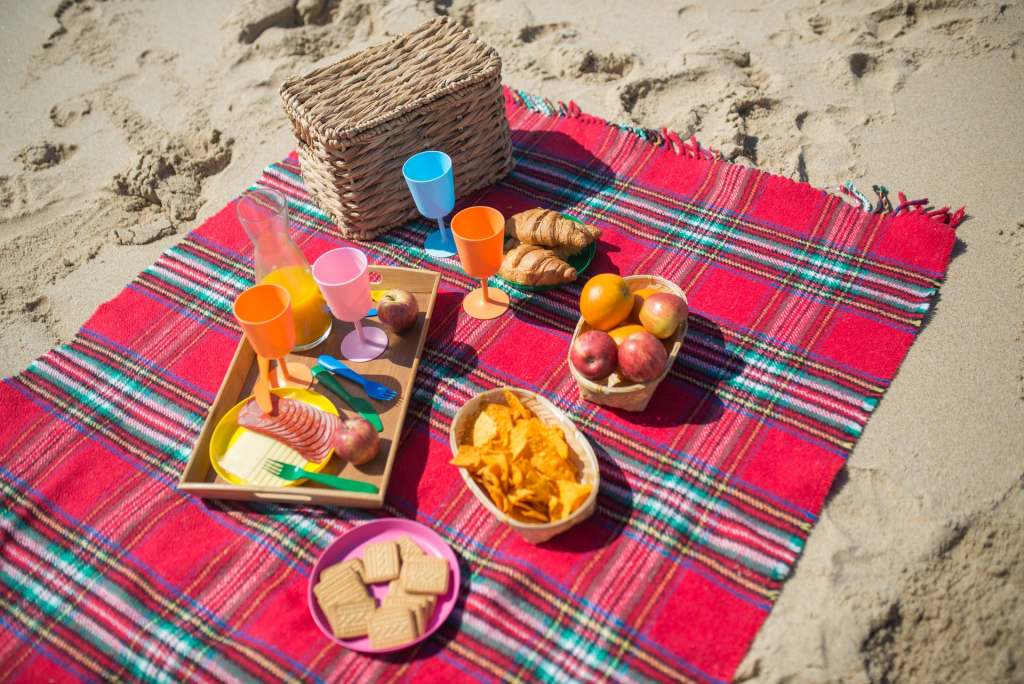
A good holiday picnic should begin in a neighborhood shop, not with an elaborate hamper ordered before arrival. For travelers, buying lunch locally makes an outdoor meal part of discovering a place.
For hotels, wine merchants and food businesses, helping visitors put that lunch together is a useful service worth offering well, rather than another luxury package to sell.
Sell the place, not the packaging
The strongest argument for a locally bought picnic is the food itself: bread from a nearby bakery, a regional cheese, ripe fruit and something interesting to drink.
There’s no need to dress those ingredients in layers of tissue paper. A modest lunch with a clear connection to its surroundings can feel more memorable than an expensive selection available anywhere.
Hospitality businesses should recommend named shops and explain what each does well. “Try the bakery near the square” is less useful than knowing whether it sells filled rolls or only bread.
Make the shopping easy
Visitors shouldn’t need a morning of research to assemble lunch. A short route linking a bakery, grocer and wine shop is enough. Include opening hours only if someone will keep them current, and suggest an alternative for days when a market doesn’t trade.
Payment deserves the same practical attention. For independent food shops, reliable retail merchant services help visitors pay by card without turning a quick picnic stop into a search for a cash machine.
Travelers should still carry a backup payment method, particularly when visiting small market stalls.
Recommend a place people can actually use
A beautiful view doesn’t automatically make a suitable lunch spot. Guests need somewhere eating is permitted, with a comfortable surface, manageable access and a sensible way to deal with rubbish. Shade and nearby toilets may matter more than the most photogenic backdrop.
Hotels can offer two options: a sheltered place close by and a more adventurous destination. Be candid about steps, uneven paths and the distance from public transport. “An easy walk” means different things to different guests.
Treat chilled food as a responsibility
Food safety should shape the menu, not appear as an afterthought.
The US Department of Agriculture (USDA) advises keeping perishable foods cold to prevent bacterial growth. An insulated cooler bag with frozen ice packs is essential equipment, not an optional upgrade.
Keep it closed as much as possible to maintain a safe temperature of 40°F (4°C) or below.
For a longer outing without reliable cooling, choose food that doesn’t require refrigeration. Follow storage instructions rather than assuming every cheese, cured meat or prepared salad will tolerate a warm afternoon.
Pack for eating, not just carrying
A picnic becomes awkward remarkably quickly without a knife for the bread or a spoon for the dip.
Businesses offering picnic provisions should ask how customers intend to eat them. Sliced loaves, manageable portions and sturdy containers can be more useful than decorative extras.
Keep foods separated to prevent cross-contamination, and provide allergen information clearly. A reusable container is helpful only if the traveler can clean it and has room to carry it afterwards. Avoid handing out equipment that immediately becomes a burden.
Let the location decide the drinks
A regional wine can give lunch a welcome sense of place, but alcohol should never be assumed. Check local drinking rules and glass restrictions before recommending a bottle for a particular park or beach. Offer an appealing alcohol-free choice with equal enthusiasm.
If wine suits the setting, suggest a bottle that works with the food and can be opened with the equipment available. A screw cap is useful. So are lightweight, reusable cups where permitted.
Make leaving easy
The principles of Leave No Trace belong in picnic planning, without turning lunch into a lecture. Recommend durable places to sit, keep clear of wildlife and take leftovers and packaging away. Food scraps are still waste, even when they look harmless.
The most useful thing a hotel can lend may be a washable bag for carrying dirty containers home. Pair it with clear return instructions.
That small detail makes a borrowed picnic kit genuinely convenient, and gives guests a reason to bring it back rather than abandon it beside an overflowing bin.