


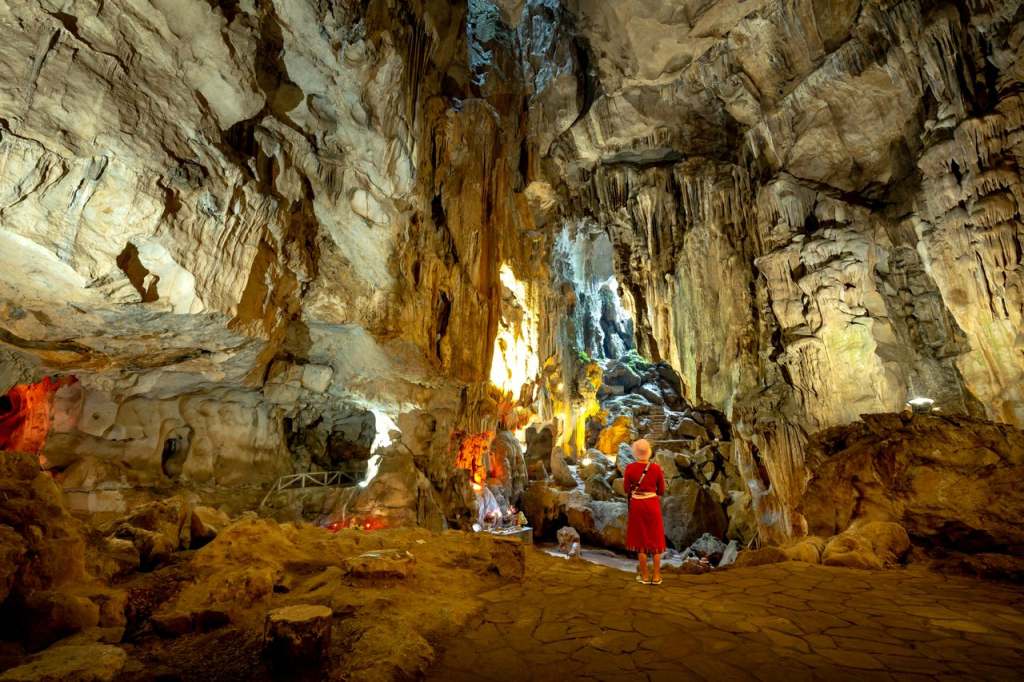
Step inside a cave on a hot Kentucky afternoon, and the world changes instantly. The air turns cool and damp, sounds echo strangely, and formations millions of years in the making glow under carefully placed lights. It feels like walking onto another planet entirely.
That otherworldly quality is exactly what draws visitors. Kentucky is famous for its caves, from vast underground systems to smaller attractions that offer walking paths or even boat tours. They’re beautiful, fascinating, and a genuine highlight for families and travelers.
But the same features that make caves magical also make them unusual places to move around. Constant moisture, dim lighting, uneven rock, and tight spaces create conditions the human body and brain aren’t used to handling. Knowing exactly why helps visitors enjoy the experience more safely.
Why Cave Environments Create Unique Safety Challenges
Caves weren’t designed with walking paths in mind. Their floors formed through water, erosion, and mineral deposits over enormous spans of time. Even where paths have been built or smoothed, the natural environment can still influence footing and movement. Nature sets the terms.
Cave attraction injuries can involve slips, trips, falls, bumps from low ceilings, or strains from navigating stairs and uneven surfaces. That doesn’t mean any particular attraction is unsafe. It means cave environments come with built-in challenges that require attention from operators and visitors alike.
Moisture, limited natural light, and confined spaces are the big three. Each affects how people walk, see, and react. Combine them with crowds, children, or excited visitors looking up instead of down, and the importance of good design and awareness becomes very clear.
The Strange Science of Constant Moisture and Slippery Surfaces
Many caves stay cool and humid year-round. When warmer, moist air meets cooler rock, water condenses on surfaces, much like droplets forming on a cold glass. That condensation can leave a thin film of water on floors, railings, and steps. Everything can feel damp.
Water movement adds to the effect. Dripping ceilings, seeping walls, and underground streams can keep certain areas damp constantly. Mineral deposits and smooth, polished rock can become especially slick when wet, sometimes more slippery than they look at first glance.
Footwear makes a big difference. Shoes with good tread grip far better than smooth soles or sandals. Surface texture matters too, which is why many attractions use textured walkways, handrails, and drainage to improve traction. Visitors still need to watch where they step. Slow steps help.
Why Lighting Changes How People Judge Distance and Depth
Human vision relies heavily on contrast and shadows to judge depth. In bright daylight, that system works well. In a dim cave, with limited artificial lighting, shadows can exaggerate or hide changes in the ground, making a step look shallower or deeper than it really is.
Eyes also need time to adjust. Walking from bright sunlight into a dark cave can leave visitors partially blind for a few moments. Moving between brightly lit formations and darker passages can repeat that adjustment again and again. Patience helps here.
Unfamiliar terrain compounds the problem. On a sidewalk, the brain predicts what the next step will feel like. In a cave, rock surfaces vary, steps may be irregular, and ceilings may dip unexpectedly. Slowing down gives the brain extra time to catch up.
What Responsibilities Do Tourist Attractions Have?
In Kentucky, businesses that invite the public onto their property generally owe visitors a duty of reasonable care. That usually means taking reasonable steps to discover hazards, fix them or guard against them, and warn visitors about dangers that aren’t obvious.
For a natural attraction, reasonable care might include maintaining walkways and railings, conducting regular inspections, managing water and lighting, and giving clear safety instructions. What counts as reasonable depends on the setting, since a cave can’t be made identical to a shopping mall. Context shapes expectations.
Specific circumstances always matter. Courts look at what the hazard was, whether the owner knew or should have known about it, what warnings were given, and how the injury happened. Kentucky also uses comparative fault, which can affect recovery when visitors share responsibility.
Conclusion
Caves offer some of the most spectacular scenery anywhere, and Kentucky has some of the very finest examples. Their cool air, dramatic formations, and sense of mystery make them unforgettable places to visit with family and friends. They’re genuine natural treasures.
That beauty comes with distinctive conditions. Constant moisture, slick mineral surfaces, dim lighting, shifting shadows, and uneven terrain all challenge the way people normally walk and see. Those challenges are part of what makes caves fascinating, but they also deserve real respect. Respect keeps visits enjoyable.
Thoughtful management and visitor awareness work together. Attractions can maintain paths, inspect regularly, and provide clear warnings, while visitors can wear good shoes, follow guidance, and take their time. With both in place, the underground world stays a place of wonder. Everyone benefits.