Many people first get to know Mallorca as a one-week trip: a couple of days in Palma, an excursion into the Serra de Tramuntana, three or four coves and, on the flight home, the feeling of having spent more time in the car than on the island. There is another way to do it, and it is increasingly popular with experienced travellers: choose one area carefully, stay for ten days or a fortnight, and let the island reveal itself without hurry.
It is not about seeing less, but about getting to know what you do see: the village market you return to each week, the path you walk again at a different time of day, the café where, by your third visit, they already know your order.
Why a single base works so well in Mallorca
On the map, Mallorca looks easy to cover. In practice, the mountain roads of the Tramuntana are slow, parking in Sóller, Deià or Cala Figuera in summer can take longer than the drive itself, and each part of the island moves at its own pace. The north is best enjoyed by bike and beside calm bays; the mountains on foot; the interior between markets and wineries.
So it pays to plan the trip the other way round: decide first what kind of days you want, then choose the area that offers them. Trips to the rest of the island become an extra rather than the backbone of the holiday. It is the same thinking set out in What Slower Travel Actually Looks Like in Practice, applied to a single island.
Mallorca’s main bases at a glance
| Area | Best for | Pace | Car needed? | Best months |
| Tramuntana (Sóller, Fornalutx, Deià, Valldemossa) | Walking, culture, scenery | Unhurried, on foot | Useful; not essential in Sóller | March to June, September to November |
| North (Pollença, Alcúdia) | Families, cycling, calm beaches | Relaxed | Recommended | May, June, September, October |
| Northeast (Artà, Capdepera) | Nature and quiet | Very peaceful | Yes | March to June, September, October |
| Southeast (Santanyí, Ses Salines, Portocolom) | Coves, markets, fishing villages | Quiet outside July and August | Yes | May, June, September, October |
| Inland (Santa Maria, Alaró, Sineu, Porreres) | Wine, markets, exploring the whole island | Rural | Yes | February to June, September to November |
| Palma and the southwest | City life, food, art | Urban | Not in Palma | All year |
The Tramuntana: Sóller, Fornalutx, Deià and Valldemossa
The Serra de Tramuntana, a UNESCO World Heritage cultural landscape, is the place for anyone who loves to walk. The Dry Stone Route (GR221) follows old cobbled paths across the range, and many sections can be walked in a morning straight from the village.
Sóller is the most practical base: it is lively all year, has a market on Saturdays and is linked to Palma by the wooden train that has run since 1912, with a tram down to the port. Fornalutx and Deià are smaller and quieter; Valldemossa, busy with day visitors, settles down again by early evening. A typical day: an early walk through terraced olive groves, a long lunch and the evening by the sea at Port de Sóller.
The north: Pollença and Alcúdia
The bays of Pollença and Alcúdia have shallow water and long seafront promenades, which is why they suit multigenerational families so well: there is something for children and grandparents within a few minutes of each other. The flat terrain is made for cycling.
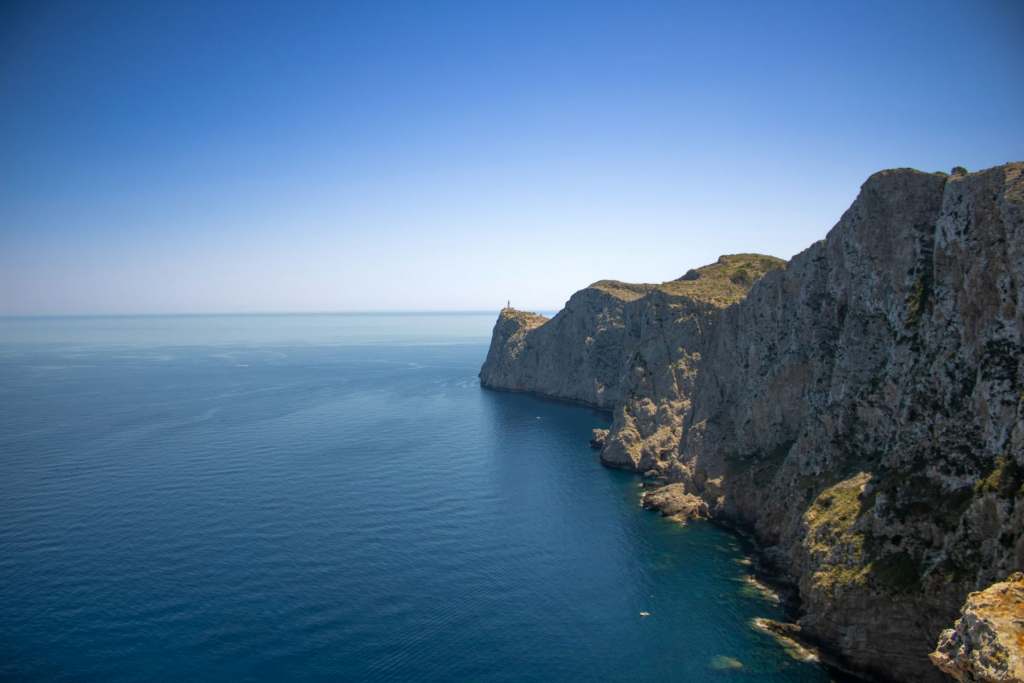
Pollença pairs its old town and the Calvari steps with a Sunday market; Alcúdia keeps its medieval walls and holds markets on Tuesdays and Sundays. Cap de Formentor is close by, although in high season access by private car is restricted and the way up is by bus, by bike or on foot.
The northeast: Artà and Capdepera
This is probably the quietest corner of the island. Artà, crowned by its hilltop sanctuary and with a market on Tuesdays, is the gateway to the Llevant Peninsula Natural Park, where some coves can only be reached on foot.
The Via Verde, a former railway line turned into a 29-kilometre car-free path to Manacor, lets you explore the countryside by bike at your own pace. Capdepera, with its castle, and the nearby coves complete the picture. Here a car really is necessary.
The southeast: Santanyí, Ses Salines and Portocolom
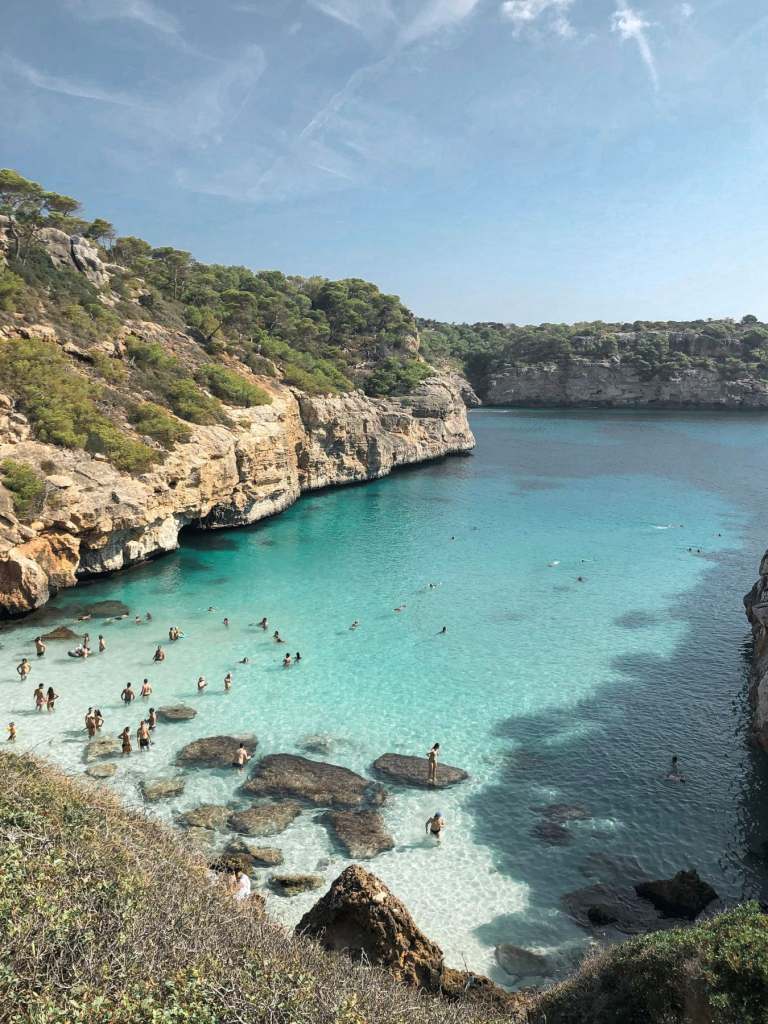
This is the Mallorca of turquoise coves framed by pine trees: Mondragó Natural Park, Caló des Moro and the long beach of Es Trenc near Ses Salines. It is far more enjoyable outside July and August.
Santanyí, built in golden sandstone, has markets on Wednesdays and Saturdays, galleries and good restaurants; Portocolom is a working harbour where traditional llaüt fishing boats still sit at their moorings. A typical day: the market in the morning, an early swim in a cove before the crowds arrive and dinner by the harbour.
Inland Mallorca: Santa Maria, Alaró, Sineu and Porreres
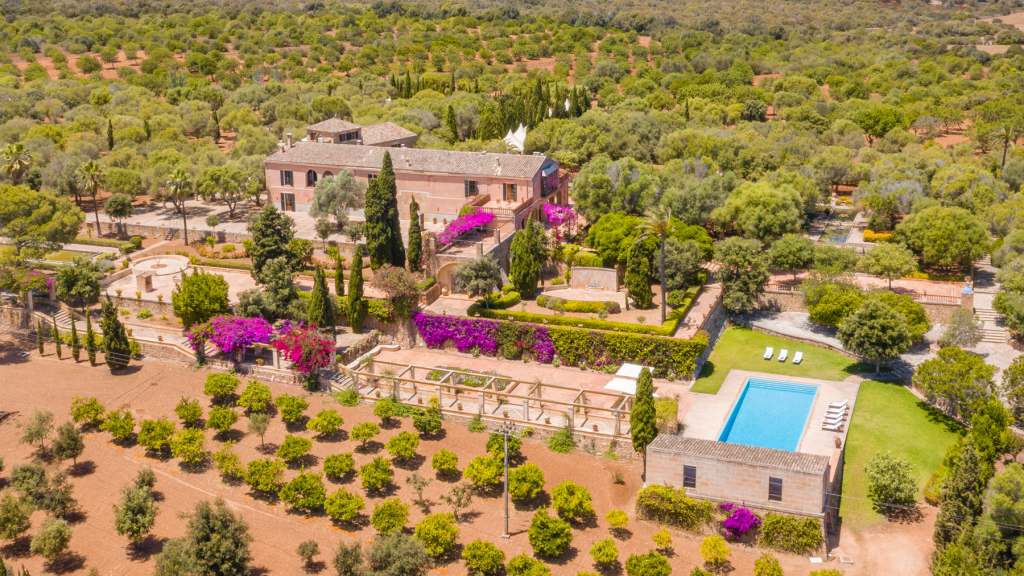
This is the Mallorca most visitors only see through a car window: farming villages, country estates among almond and carob trees, and wineries. Santa Maria del Camí sits within the Binissalem wine designation and hosts one of the liveliest Sunday markets on the island. Sineu and Porreres belong to the Pla i Llevant designation, and Sineu’s Wednesday market is one of the oldest in Mallorca. Alaró, beneath the castle of the same name, offers one of the most rewarding walks inland.
The practical advantage is obvious: from the centre of the island, the mountains, the north coast and the southeast are all within similar reach.
Palma and the southwest
Palma deserves several days: the cathedral, the old town, Santa Catalina market, its galleries and its food. On a two-week stay, though, it works better as a bookend, with a few nights at the start or the end of the trip. Port d’Andratx and Puerto Portals suit those who want the sea and good restaurants close to the city.
When to go for a slower stay
Spring (March to June) and autumn (September to November) bring mild temperatures for walking, fewer people and, in September and October, a sea that is still warm. In February, almond blossom turns the interior white and pink.
In winter, Mallorca does not shut down, but it does change: many hotels in the beach resorts close, while Palma, Sóller and the inland villages carry on with daily life. For a longer winter stay, choose a town with a life of its own rather than a coastal resort.
Choosing the right kind of base
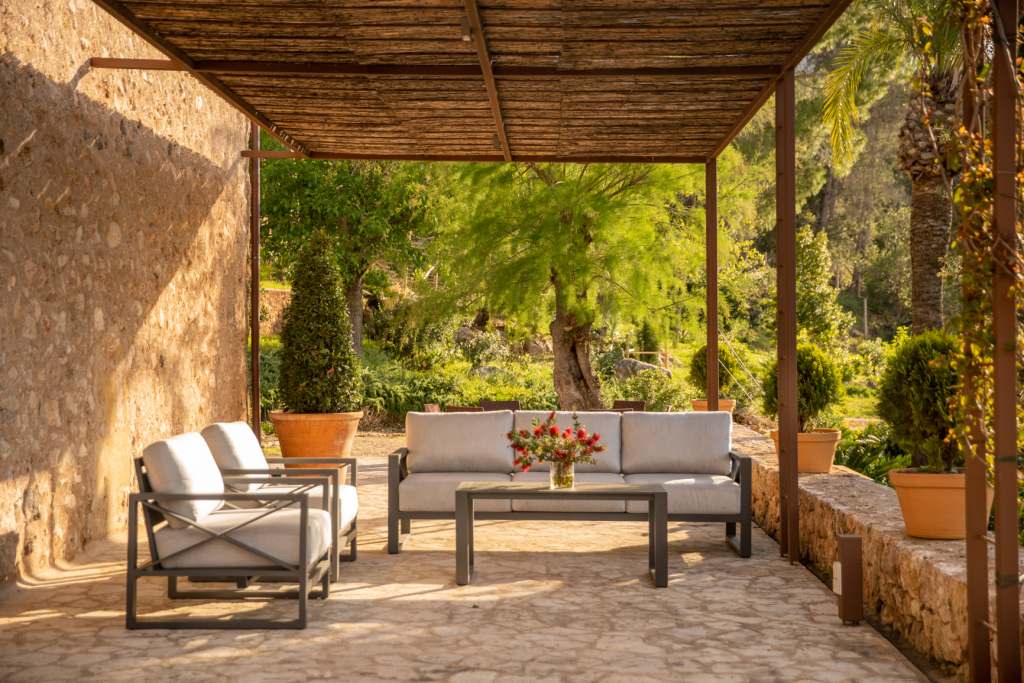
On a stay of ten days or a fortnight, where you sleep matters more than on a short break: a kitchen to make the most of the market, outdoor space, and room for everyone to have their own corner. The first decision is whether you want to walk into the village or prefer the countryside, with a car. A house in a village gives you everyday life; a rural finca gives you silence and space.
The order matters: area first, house second. Browsing villas in Mallorca town by town is a good way to check whether an area suits you before you fall for a swimming pool.
A final thought
The Mallorca people remember is rarely about how many places they ticked off. It is about the place where they stayed long enough to start knowing it: the bakery every morning, the Tuesday walk, the usual table in the square. Choosing the right base is what makes that possible.
