


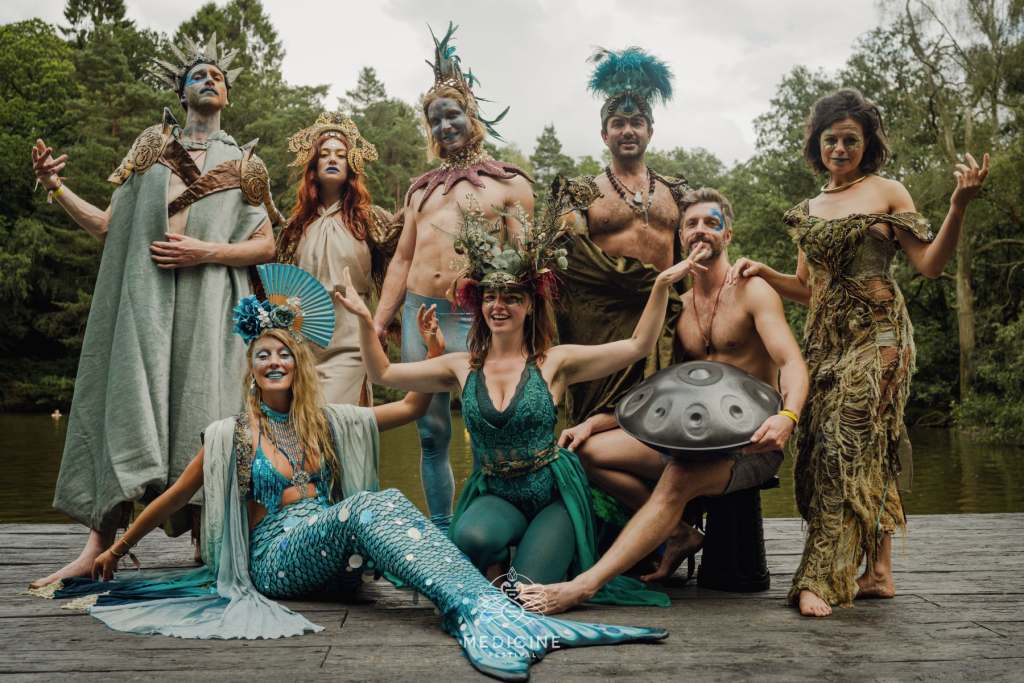
If you think getting to a festival means squeezing into a train, sitting in traffic or joining a queue of cars at the gates, Medicine Festival 2026 has another idea. Walk there.
This year, the festival is reviving the ancient tradition of festival pilgrimage, with three walking routes leading to Wasing Estate near Reading. The idea is simple enough: slow down, leave the car behind and make the journey part of the festival itself.
Taking place from 12 to 17 August 2026, Medicine Festival brings together music, culture, spirituality, Indigenous wisdom and ideas around more sustainable ways of living. This year’s theme, Walking Together, seems particularly appropriate given the new pilgrimage routes.
The three walks have been created by William Parsons, a leading British pilgrimage guide and co-founder of the British Pilgrimage Trust. They range from a relatively gentle 2.75-mile stroll to a more demanding 14.5-mile journey, giving festival-goers the chance to choose their own adventure.
Three routes to Medicine Festival 2026
The shortest option is the Aldermaston Wharf Route, covering 2.75 miles and taking around one to one-and-a-half hours. It follows the River Kennet towards Wasing Estate, passing through Mill Island, willow groves, meadows and quiet country lanes.
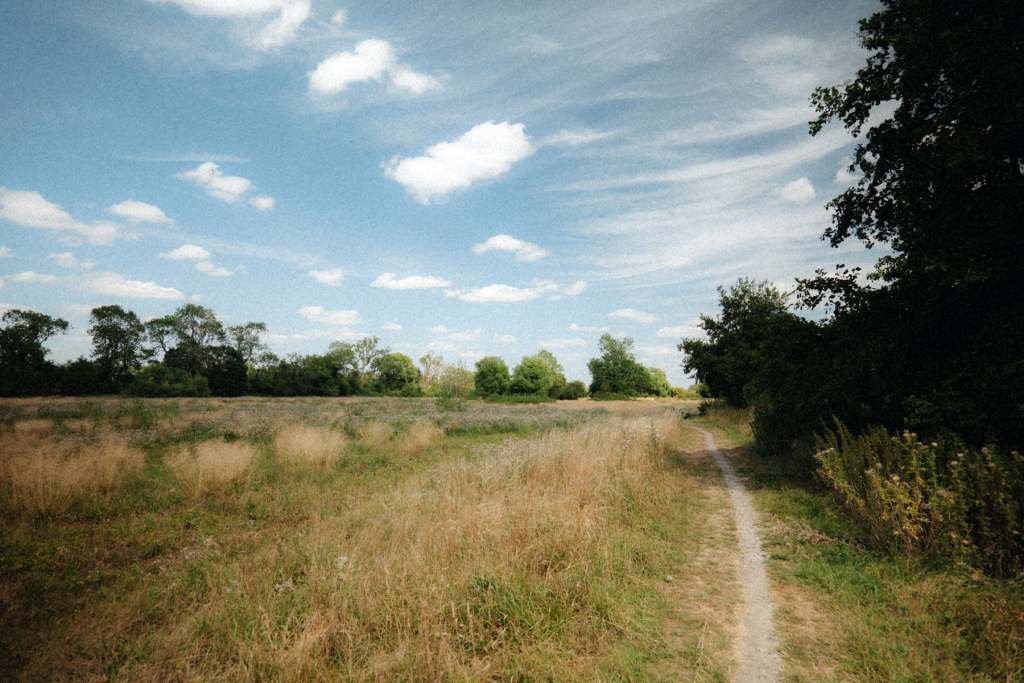
The route also offers glimpses of the plants, ancient trees and rural landscapes that characterise this corner of Berkshire. For anyone wanting to ease into festival life rather than arrive frazzled after a journey on the M4, it sounds like a rather good way to begin.
The Theale Route is 6.8 miles and should take between three and four hours. Beginning at Theale, it follows waterways and the Kennet through woodland, lakes and historic villages. There are canal bridges and locks along the way, as well as the possibility of wild swimming and a tea room stop.
For experienced walkers, the Reading Route provides the full pilgrimage experience. At 14.5 miles, it takes around seven to eight hours, beginning at Reading Station and following the Thames before reaching the historic meeting point of the Thames and Kennet.
The walk takes in Reading Abbey and Forbury Gardens, while a pub and pie shop provide useful opportunities for sustenance. After seven or eight hours on foot, that pie may well feel like part of the spiritual experience.
Why Turn a Festival into a Pilgrimage?
Walking to a festival might sound like an eccentric idea in an age of cars, coaches and trains, but pilgrimage has a long history in Britain.
For centuries, people travelled on foot to significant gatherings and sacred sites. Medicine Festival argues that festivals themselves were once destinations for pilgrimage, with ancient communities travelling considerable distances to gather, celebrate and feast.
That tradition largely disappeared in Britain following the Reformation, when Henry VIII banned pilgrimage. Medicine now wants to bring back something of that communal experience, albeit without the Tudor monarchs getting involved.
William Parsons, who created the routes, believes modern festivals have become too dependent on cars and that walking offers a more meaningful way to arrive.
The routes are also intended to make visitors more aware of the landscape and communities around Wasing Estate. Rather than seeing the journey as an inconvenience between home and festival, walkers can experience the countryside at a human pace.
Walking Together and Arriving Differently
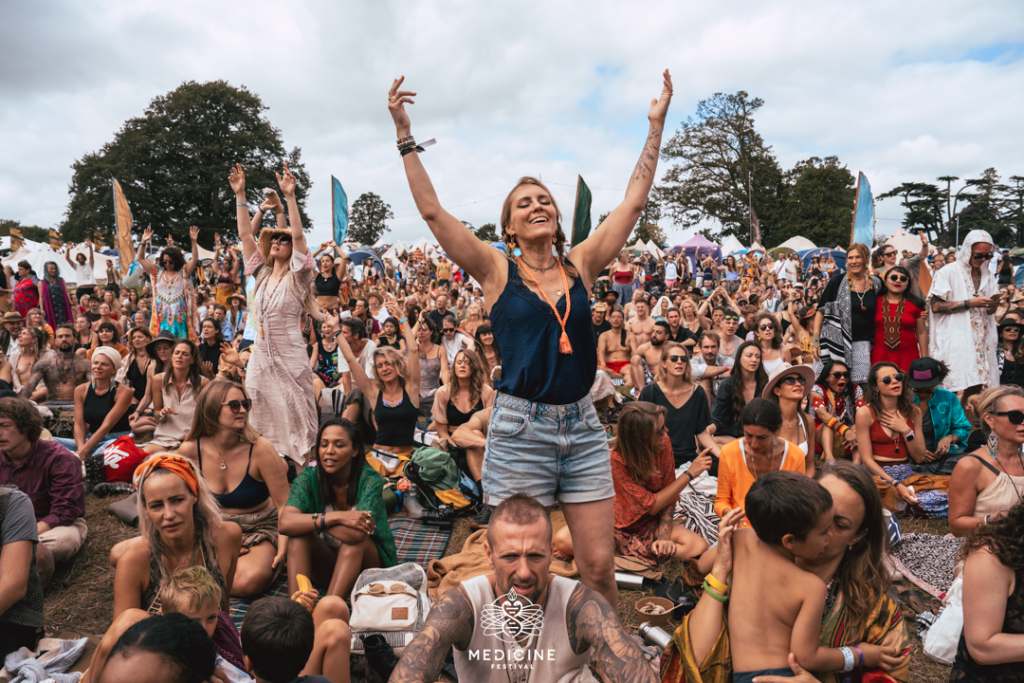
There is a practical benefit, too. Every festival-goer who arrives on foot means one fewer car on the road, helping to reduce traffic, emissions and the environmental pressure created by large events.
Walking can also offer a useful transition between everyday life and festival life. Rather than stepping straight from a crowded train or car park into five days of music and activity, pilgrims have time to slow down, breathe and reconnect with the landscape.
That seems particularly relevant for Medicine Festival, a not-for-profit Community Interest Company that puts reciprocity, inclusion and regeneration at the heart of its work. Profits are reinvested in Indigenous communities, grassroots projects and environmental initiatives, with more than £109,000 donated so far.
For those attending Medicine Festival 2026, therefore, the pilgrimage is more than an alternative means of transport. It is an invitation to think differently about how we travel to festivals in the first place.
And if the thought of a seven-hour walk before pitching your tent sounds like a step too far, there is always the 2.75-mile option.
Medicine Festival 2026 Essential Information
Where: Wasing Estate, near Reading, Berkshire
When: 12–17 August 2026
Distance from London: Around one hour by road
Tickets: From £333 per adult and £100 per child
The three pilgrimage routes are available to follow before arriving at the festival, with maps provided by Medicine Festival.
For more information and tickets, visit the official Medicine Festival website below.