


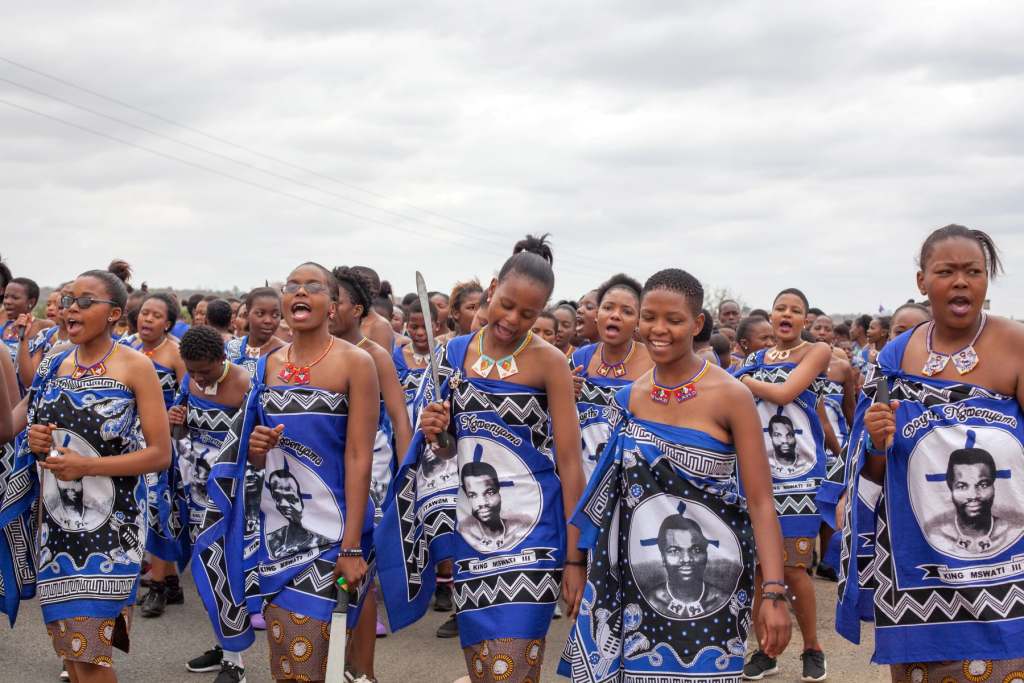
The Umhlanga Reed Dance is a vibrant cultural celebration held annually in Eswatini, Africa. It is a unique and colourful event where thousands of unmarried young women, known as maidens, gather to honour the monarchy and participate in a sacred ritual. The festival is marked by song, dance, and the presentation of reeds to the Queen Mother. The festival offers an incredible experience that blends tradition and community spirit.
History of the Festival
The Umhlanga Reed Dance has been an integral part of Eswatini’s cultural heritage for centuries. It was previously known as Umchwasho and became a national holiday in the 1940s. Traditionally, the festival was a way for young women to showcase their respect for their culture. The event was also an important ritual marking the transition from girlhood to womanhood.
Maidens gather to cut reeds from the river, which are then presented to the Queen Mother as a symbol of respect and purity. Over time, the festival has grown in size and significance, attracting visitors from around the world. It’s a celebration of the country’s rich history, though it is unlikely to make a republican change their ways or a feminist abandon their principles.
Eswatini is an absolute monarchy and this festival should be seen in this context.
What to Expect at this Festival
The Umhlanga Reed Dance is a dazzling eight-day celebration filled with music, and dance. Each day offers something different, with the first few days devoted to the maidens’ registration, gathering the reeds and preparing for the final presentation. Participants dress in traditional attire and form up in ‘regiments’ of about 200 maidens, each with beads and colourful decorations that reflect Eswatini’s cultural significance.
On the sixth day, the maidens, accompanied by dancers and musicians, present the reeds to the Queen Mother in a spectacular display of unity and respect. The energy is infectious, and the festival is a beautiful reflection of the strong sense of community and heritage that defines Eswatini. On the seventh day the music and dancing continues, this time honouring the king’s attendance at the festival. On the eighth day there is feasting as the king slaughters cattle for the maidens.
The sixth and seventh days are the most important for visitors.
Where Does Umhlanga Reed Dance Take Place?
The Umhlanga Reed Dance takes place in the royal village of Ludzidzini, located just outside the capital city, Mbabane. Ludzidzini is the traditional seat, or kraal, of the royal family, making it deeply significant.
To attend the festival, just turn up. Typically, there are no formal fees for participants, but visitors should be prepared for costs such as accommodation and transportation. It’s always a good idea to check the official tourism website for up-to-date information on costs and registration procedures as the festival did not have its own dedicated website at the time of writing this article.
What to Eat and Drink
There isn’t a specific food or drink exclusive to the Umhlanga Reed Dance. However, visitors can expect to enjoy local delicacies such as sishwala (a type of porridge), umncweba (a type of dried and seasoned meat), and a variety of fruits and vegetables. Local brews such as ubhiya (a traditional homemade beer made from sorghum/millet) may also be available at the festival for those looking to experience local flavours.
What to Do in Eswatini
Eswatini is a country full of stunning natural beauty and rich cultural history. From the breathtaking Malolotja Nature Reserve in the north-west of the kingdom, with its dramatic landscapes and wildlife, to Hlane Royal National Park and Mkhaya Game Reserve. For those who love adventure, the country offers opportunities for hiking, camping, and game viewing in these parks
The fascinating Swazi Cultural Village, is based on life in the 1850s, and you can learn about traditional customs and history. Eswatini is also known for its arts and crafts, and you’ll find many local markets where you can purchase handmade glass-blown art, textiles, jewellery and wood carvings. There’s something for every type of traveller. To discover more about the things to do in Eswatini, click here.
Flights to Eswatini
From London, the most direct route to Eswatini is to fly to Johannesburg, South Africa (around 11 hours) with British Airways or Virgin Atlantic. From Johannesburg, a short connecting flight of about 1 hour with Eswatini Air, Airlink or Hahnair Technologies will take you directly to Eswatini’s Matsapha International Airport.
From New York, the quickest way is to fly directly to Johannesburg (around 15 hours) with United and then take a connecting flight to Eswatini (1 hour). From Los Angeles or Miami, you can connect to the United flight from New York, or fly to a European hub to connect you to Johannesburg and then Matsapha International Airport.
Once you arrive in Eswatini, local transport such as taxis or minibuses is available to get you to the festival site in Ludzidzini, and hotels and accommodation may offer shuttle services to the event.
Eswatini Time
Eswatini is 2 hours ahead of London, and 6 hours ahead of New York. So, when it’s noon in London, it’s 2:00 PM in Eswatini; and when it’s noon in New York, it’s 6:00 PM in Eswatini; however, the festival falls during daylight saving time, so it will be one hour less.